Standard care. Localized sarcoma is treated with surgery, with or without radiation, and with neoadjuvant chemotherapy for high-grade tumors. Metastatic disease is treated with doxorubicin-based combinations, then subtype-specific agents; afamitresgene autoleucel (Tecelra), a T-cell receptor therapy, is used for MAGE-A4-positive synovial sarcoma. Pembrolizumab has activity only in selected histologies: undifferentiated pleomorphic sarcoma (UPS), dedifferentiated liposarcoma, alveolar soft-part sarcoma (ASPS) and Kaposi sarcoma. Leiomyosarcoma, synovial sarcoma and gastrointestinal stromal tumor (GIST) are immunologically "cold" (they rarely respond to a checkpoint inhibitor alone); for GIST, imatinib and the tyrosine kinase inhibitor sequence are the standard of care.
Ablation alone. Local control only. Thermal ablation is limited where a sarcoma lies against major vessels or nerves, which is common in the retroperitoneum, the extremities and the chest wall.
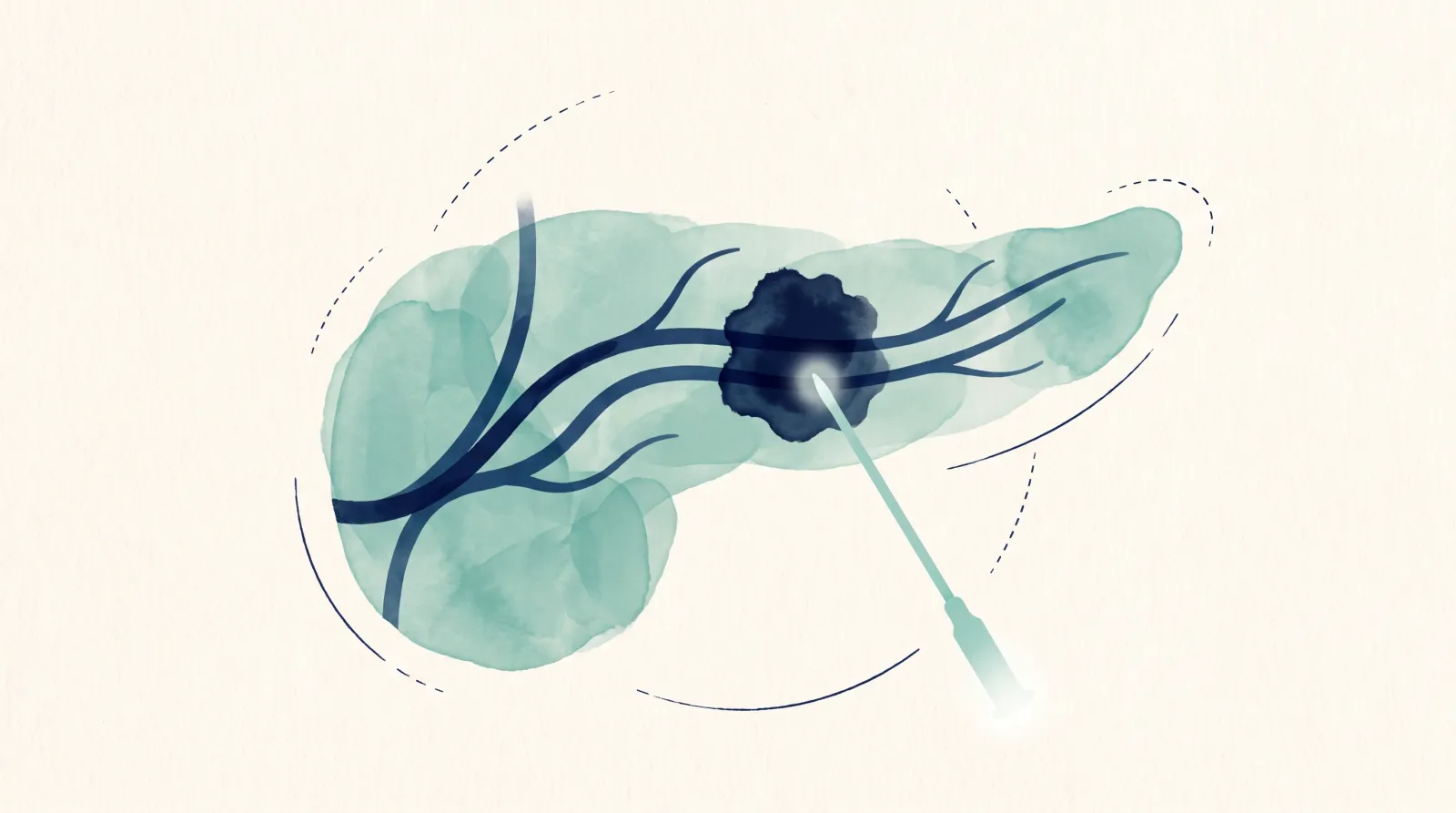
This approach. Image-guided ablation of a tumor (or, in oligometastatic disease, each site), followed by intratumoral immunotherapy injected into the ablation bed through the same access, with the agents chosen by subtype. For an immune-responsive subtype that has progressed on pembrolizumab, the aim is to extend or re-engage the response. For a cold subtype, the aim is to expose the tumor's antigens and make the immune system respond to it. For synovial sarcoma, WCI describes aiming to engage the cancer-testis antigens MAGE-A4 and NY-ESO-1 released by ablation. This combination is offered under physician review. In our clinical observations, a systemic (abscopal) effect occurs at untreated sites in the lung, liver or elsewhere. Bone sarcoma is within WCI's stated criteria (below); the procedure at a bone site, and the fracture-risk exclusion, are decided case by case and are not described step by step here.
The procedure, step by step
- Case review and protocol design. Imaging, pathology with the subtype named, immunohistochemistry, and the molecular profile (NTRK, EWSR1, SS18-SSX, KIT/PDGFRA, and others as relevant). The intratumoral combination is chosen by histology, based on what is known of that subtype's immune biology.
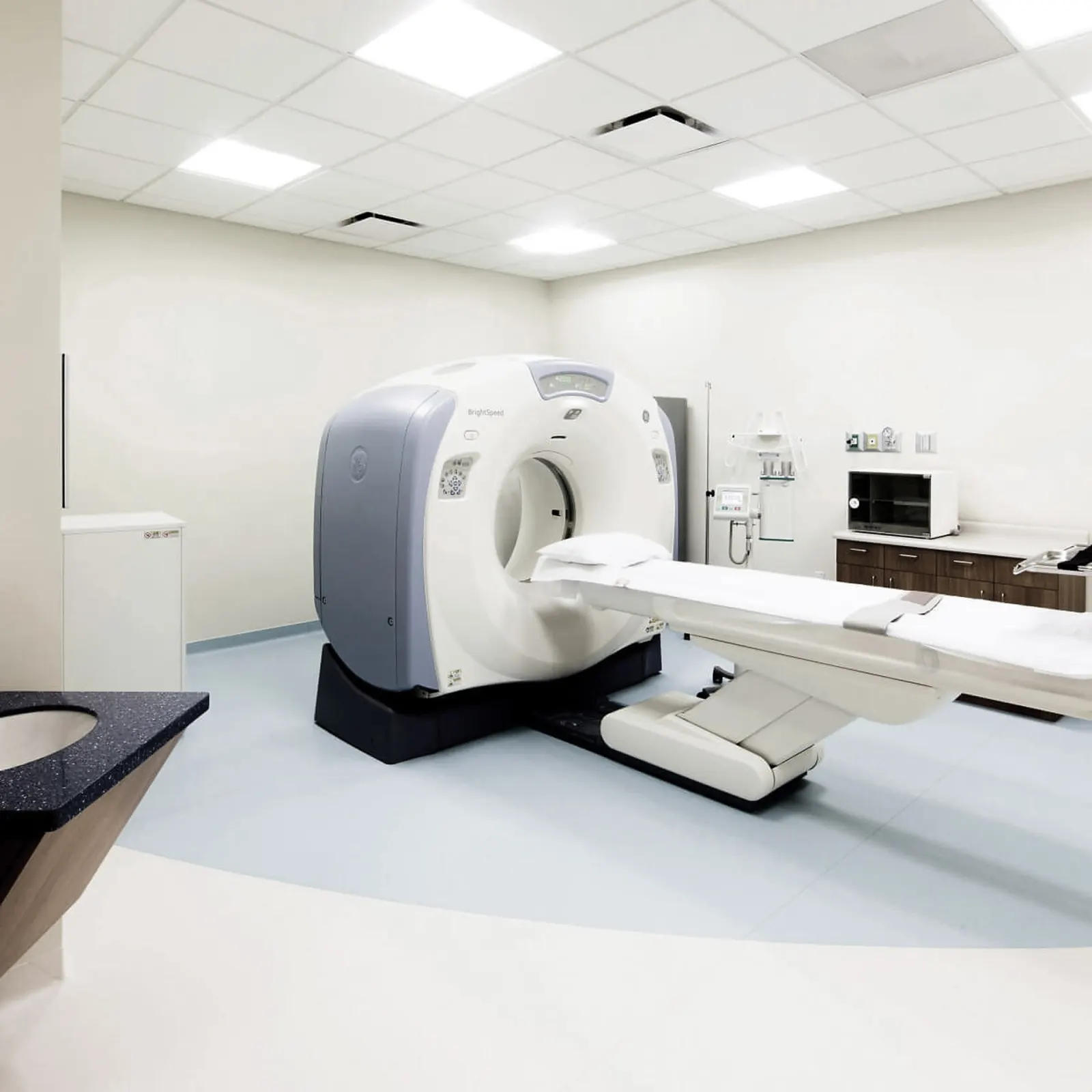
- Guidance and access. Image-guided percutaneous access to the target tumor, by CT or ultrasound according to site.
- Ablation. Non-thermal pulsed electric field (PEF) ablation where the tumor abuts vessels or nerves; cryoablation where appropriate.
- Intratumoral immunotherapy. Through the same access, into the ablation bed.
- Setting and time. Most procedures are outpatient under conscious sedation; general anesthesia or an overnight stay is rarely required. About an hour for the procedure, about two hours' recovery.
- Follow-up. Imaging at 6 to 8 weeks; coordination with the home sarcoma team; repeat procedures as indicated. The number of treatments is decided with the patient's physician.
Agents. The injected immunotherapy is a multi-agent combination. The agents and doses are set per patient by the treating physician.
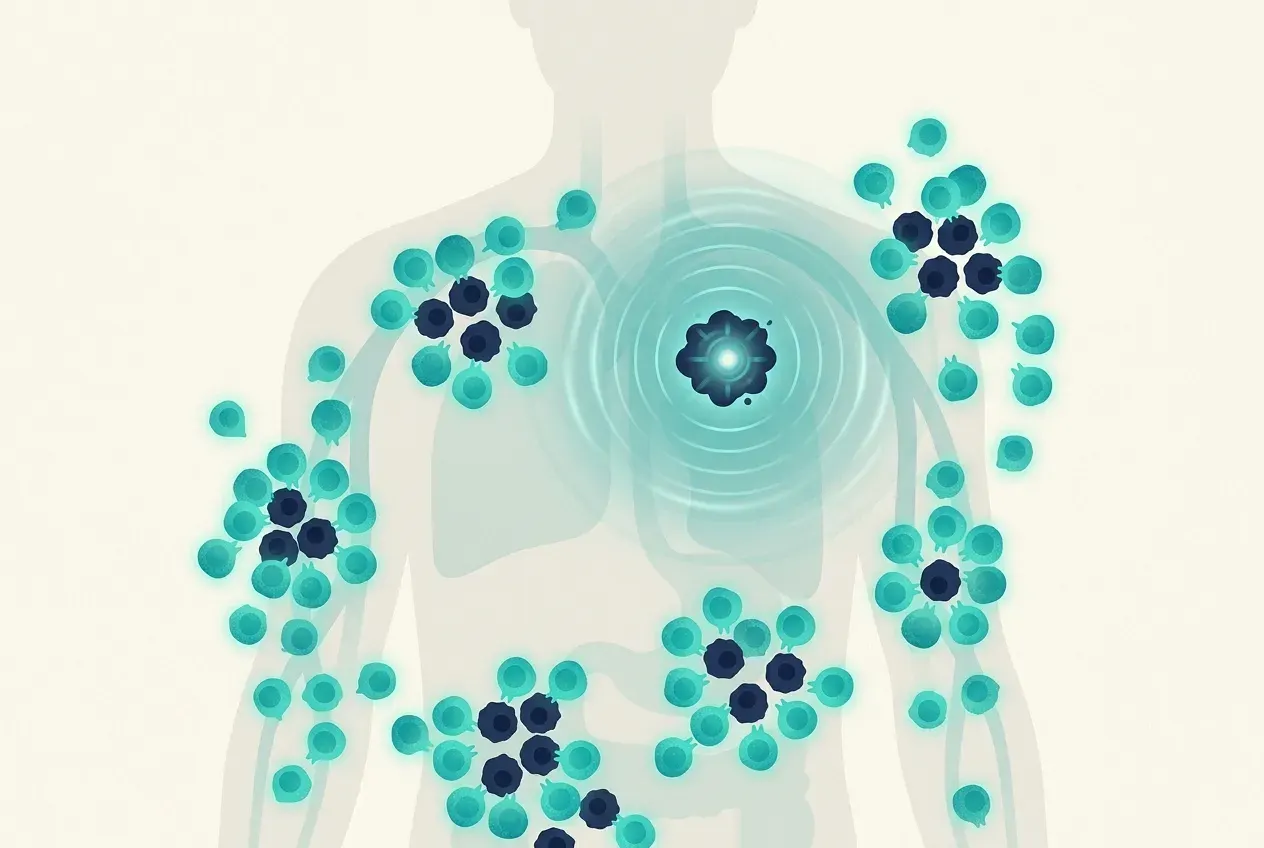
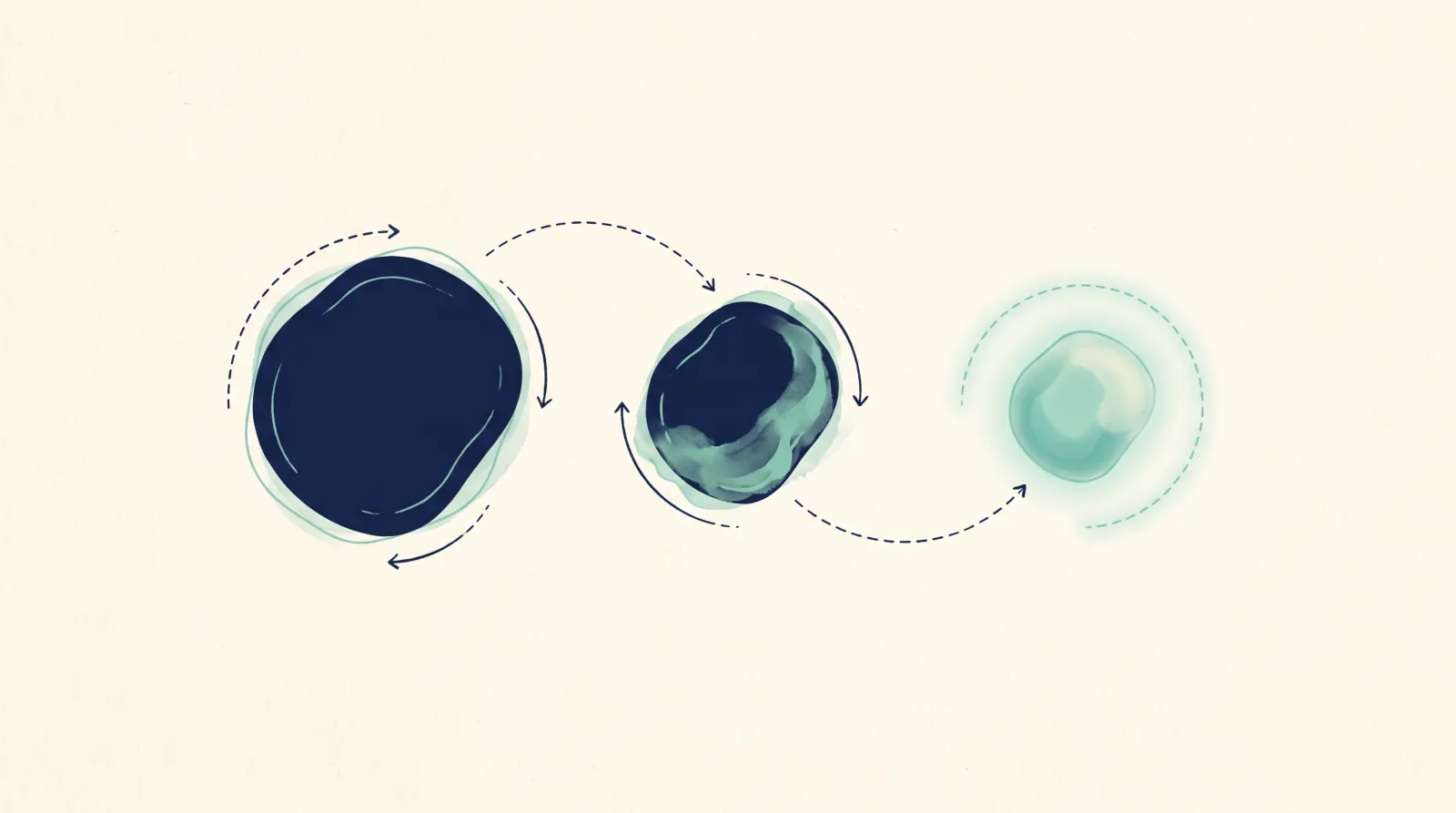
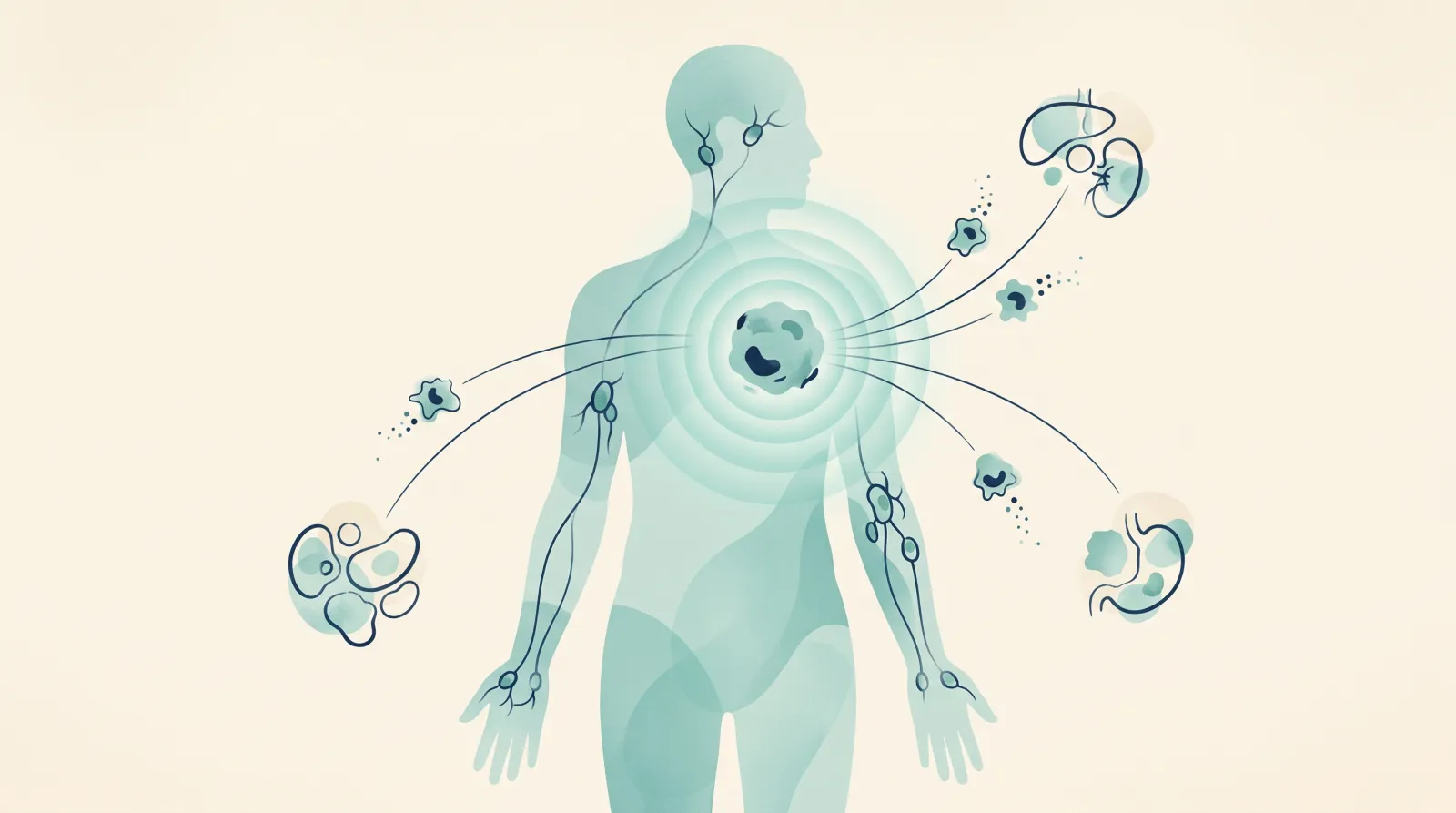
The immune conversion cycle, in clinical terms. Ablation disrupts the tumor and exposes its full antigen repertoire, not a pre-selected subset. The injected immunotherapy then remodels the tumor microenvironment, priming, recruiting and activating immune cells and releasing the brakes on them. Immune-mediated lysis exposes further antigens, which re-prime the response (epitope spreading), producing a broader, polyclonal, systemic response with memory, converting a cold tumor hot. This is WCI’s stated rationale, in Dr. Goodyear’s framing, borne out in our clinical observations.
Evidence. The published basis for intratumoral delivery is preclinical: in mice with colorectal tumors and no ablation, anti-CTLA-4 injected into a tumor reached about 14 times the day-7 level of intravenous dosing in that tumor; the untreated tumor received no more than with intravenous dosing, and half the dose reached the blood within an hour [1]. That is mouse data in colorectal cancer, not sarcoma; it does not test ablation and does not support a distant-site effect. No randomized trial of ablation plus intratumoral immunotherapy in sarcoma exists.
No sarcoma case with scans and a written record is on file yet. The patient accounts on this page are patients' own words, not medical records. Sources
- Meyblum L, et al. J Immunother Cancer 2023. PMID 37949616. DOI 10.1136/jitc-2023-007433.