Standard care. Resectable disease: surgery with chemotherapy. Borderline resectable: chemotherapy, then reassessment for surgery. Locally advanced and metastatic disease: systemic chemotherapy aimed at extending life.
Ablation alone. Local treatment of the tumor where it sits. Where the tumor encases the superior mesenteric artery, celiac axis or portal vein — the pattern that makes surgery impossible — heat-based ablation risks losing heat to flowing blood (leaving tumor behind) and injuring the vessel. Non-thermal ablation does not depend on heat, which is why it is used there.
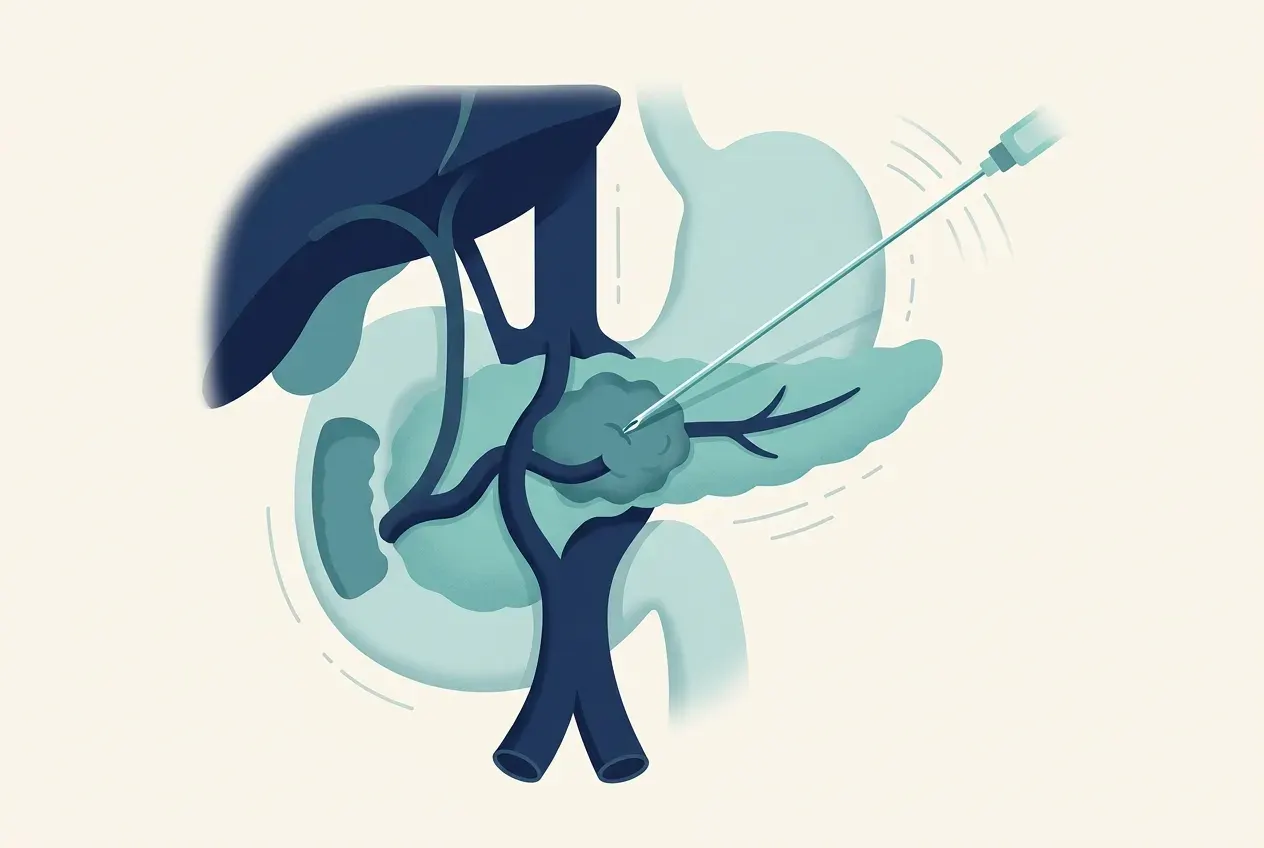
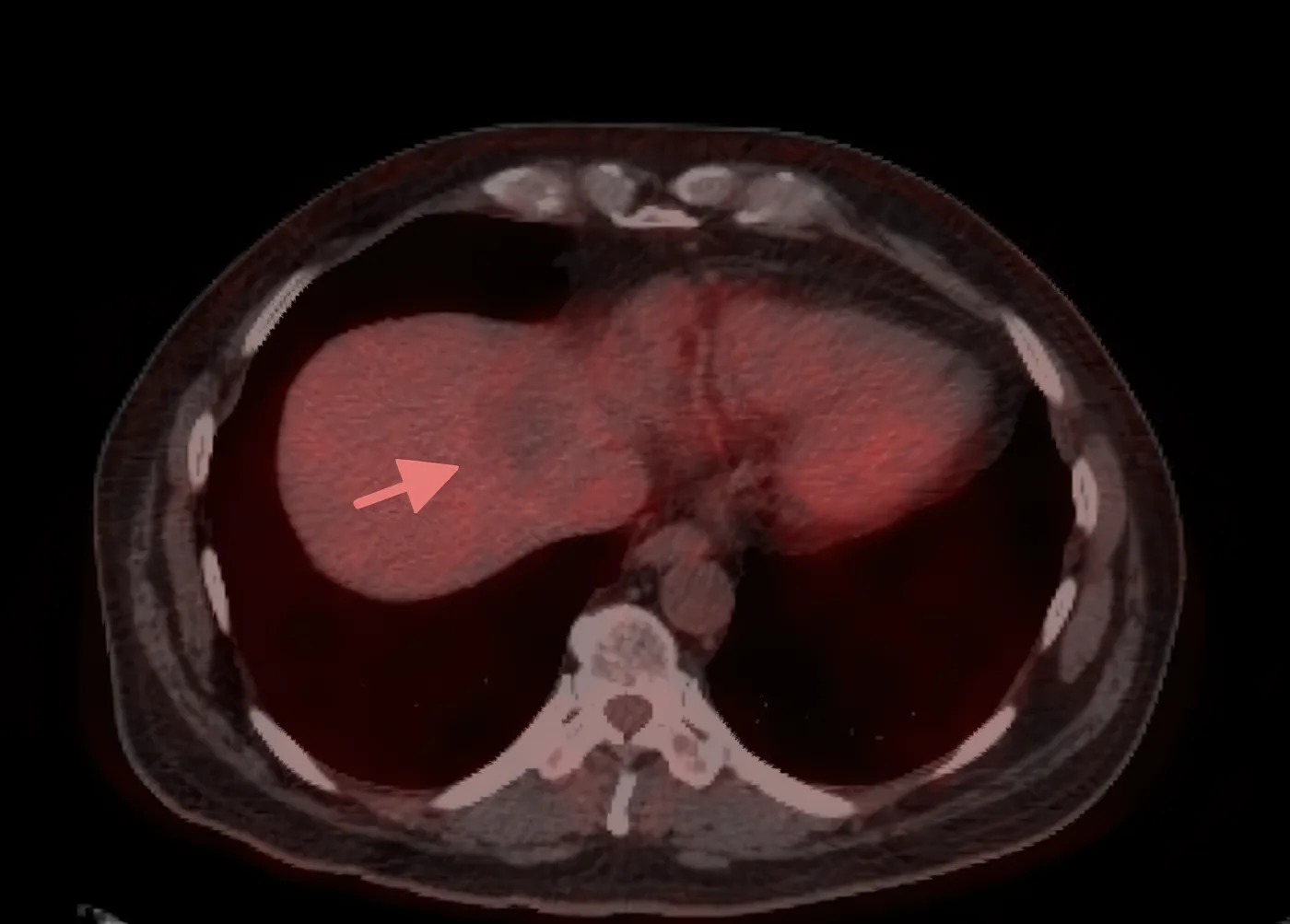
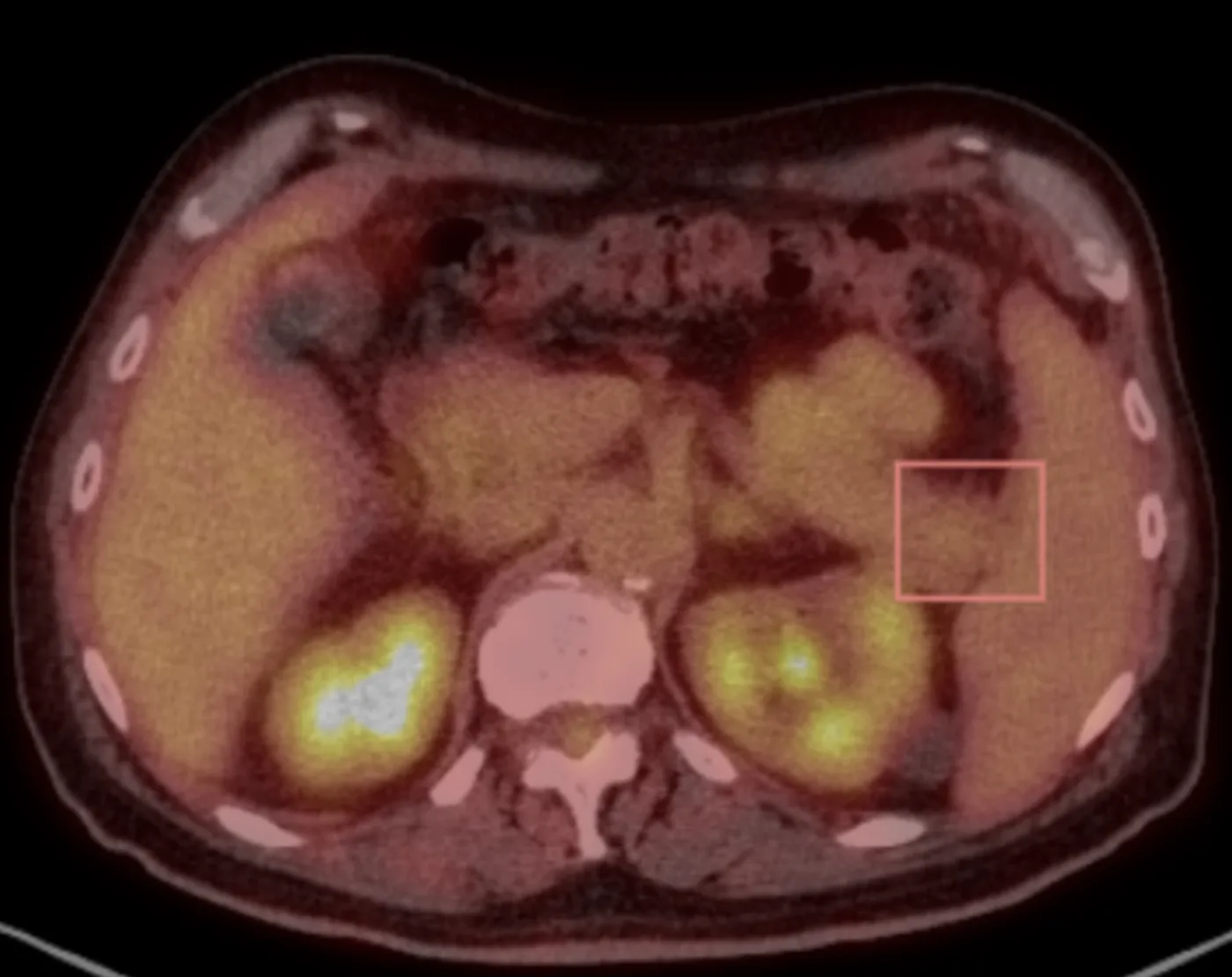
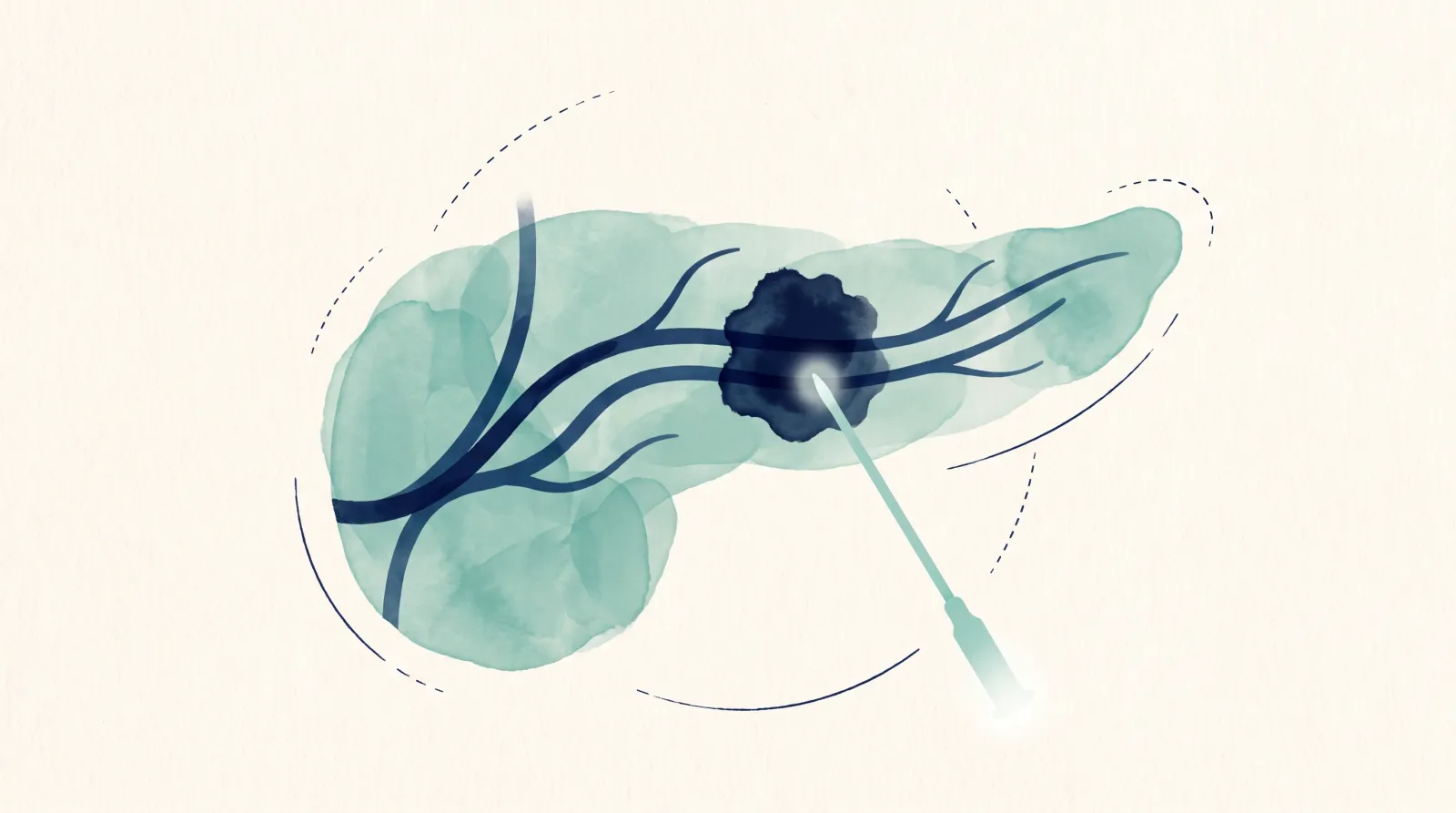
This approach. We combine non-thermal pulsed electric field (PEF) ablation of the tumor, at the pancreatic primary or at a metastasis, with immunotherapy injected into the same site in the same session. It is given under physician review alongside the patient's current care, not instead of it. The rationale: pancreatic tumors are immunologically "cold" — Dr. Nathan Goodyear's description of KRAS-driven disease is that "it blocks antigen presentation. It actually excludes the T cells, and it builds this fibrotic layer… it creates a shield" (Beyond The Standard, Ep. 19). Breaking the tumor open exposes its antigens, and the injected agents are chosen to make the immune system respond to them. In our clinical observations, treating one tumor produces an immune response at untreated sites, with lasting immune memory; in the written case in the records section, a restaging CT before treatment described a 4.3 × 4.0 cm pancreatic mid-body mass, similar in size to the prior exam, with no flow in the splenic artery and vein (likely thrombosis).
The procedure, step by step
- Case review and protocol design. CT or MRI on a pancreas protocol, PET/CT, pathology, CA 19-9 with dates, KRAS and other somatic results, germline testing if done, and the chemotherapy history. The intratumoral combination is designed from the tumor's immune and genetic profile.
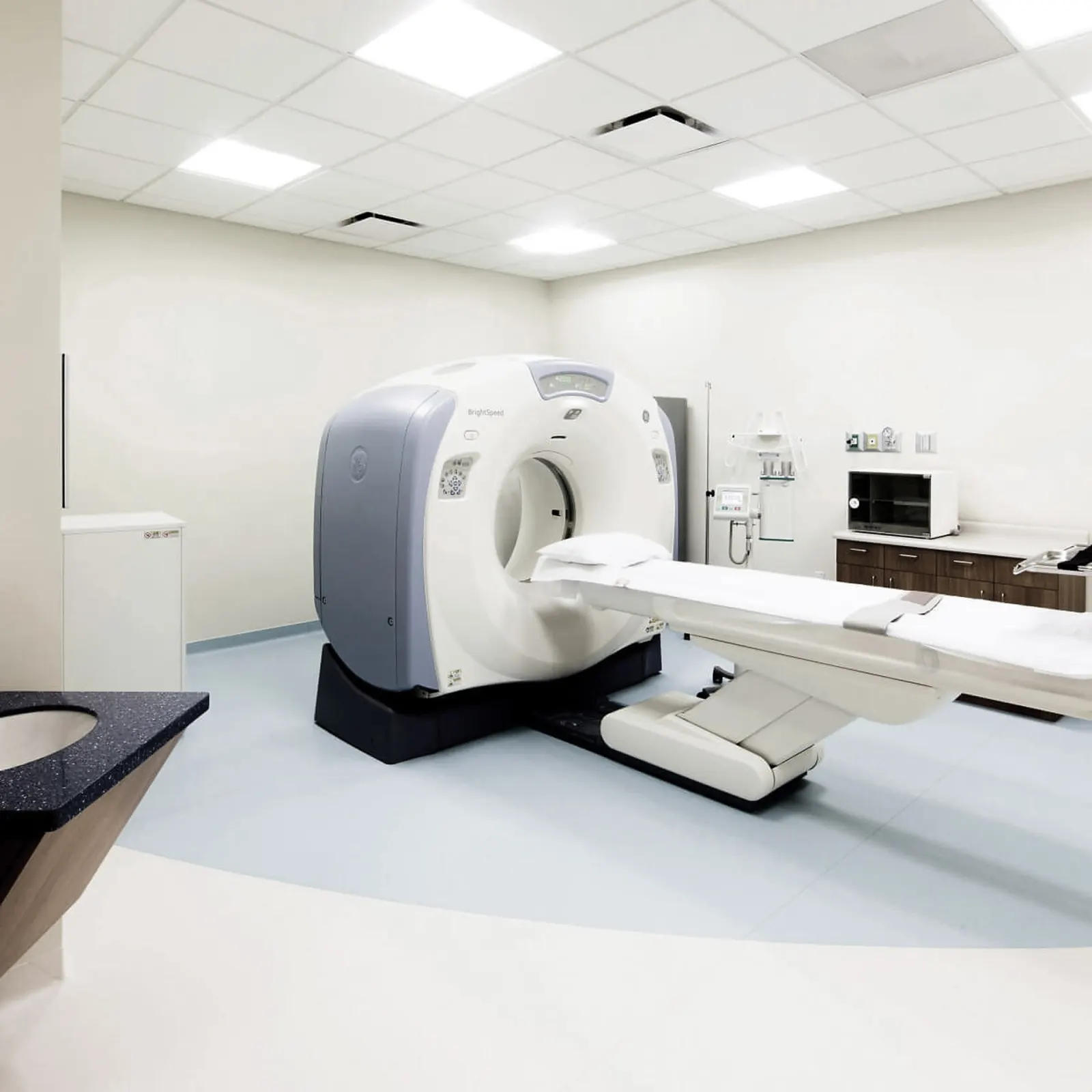
- Guidance and access. CT-guided percutaneous needle placement into the target tumor, which may be the pancreatic primary or a metastasis.
- Ablation. PEF ablation: short high-voltage pulses disrupt tumor cell membranes while sparing the collagen scaffold of adjacent vessels and ducts. Sessions are repeated as the treatment plan sets out.
- Intratumoral immunotherapy. Through the same access, into the ablation bed. A small dose of contrast can confirm that the injected drugs have spread through the tumor.
- Setting and time. About an hour for the procedure under conscious sedation, and about two hours of recovery. Most procedures are outpatient under conscious sedation; general anesthesia or an overnight stay is rarely required.
- Follow-up. Imaging at 6–8 weeks; regular labs including immune cytokines, CA 19-9 and other labs as indicated, and, where used, circulating tumor DNA; coordination with the home oncology team for ongoing systemic treatment; repeat procedures as indicated. The number of treatments is decided with the patient's physician.
Agents. The injected immunotherapy is a multi-agent combination. The agents and doses are set per patient by the treating physician.
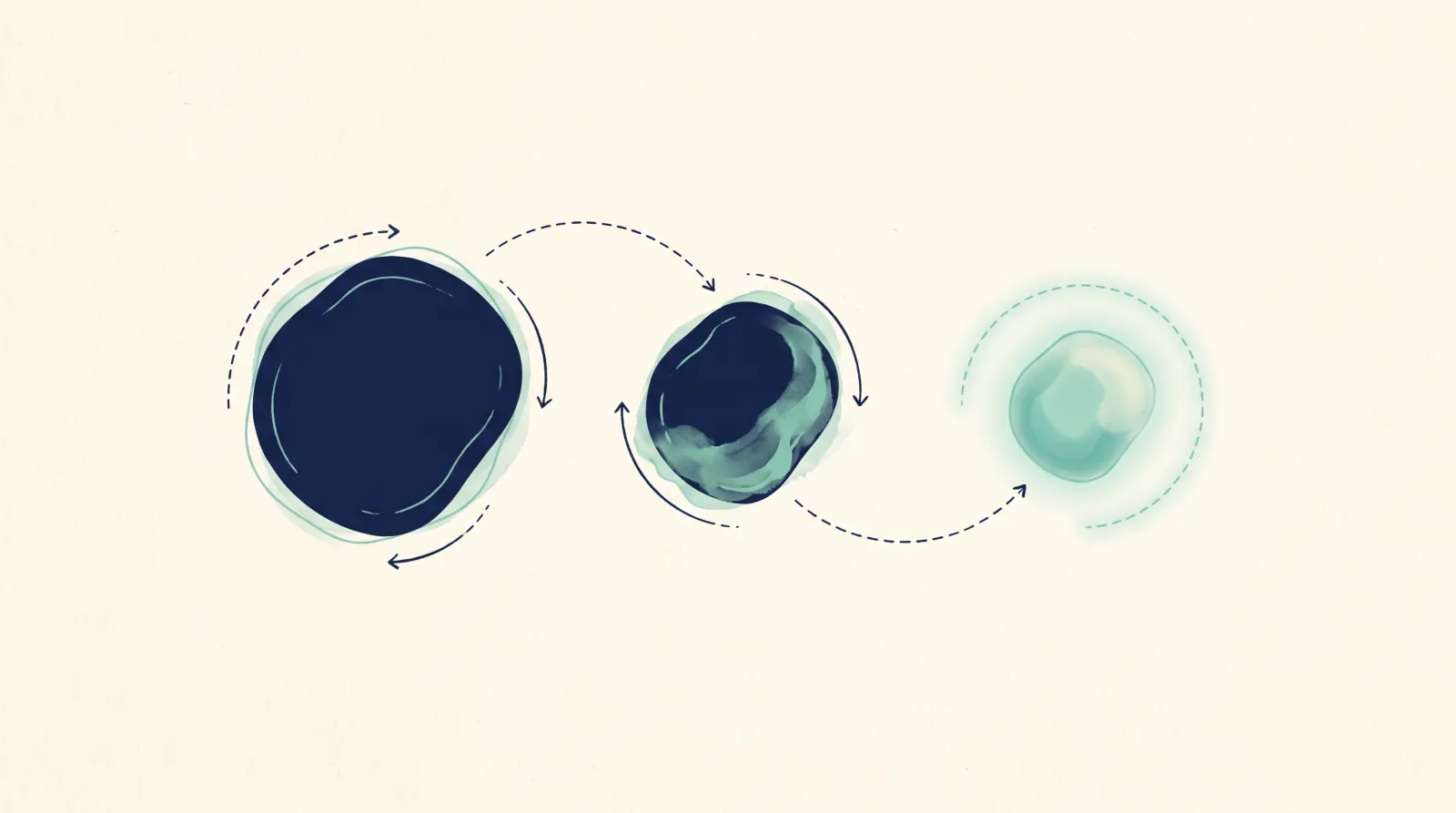
The immune conversion cycle, in clinical terms. Ablation disrupts the tumor and exposes its full antigen repertoire, not a pre-selected subset. The injected immunotherapy then remodels the tumor microenvironment, priming, recruiting and activating immune cells and releasing the brakes on them. Immune-mediated lysis exposes further antigens, which re-prime the response (epitope spreading), producing a broader, polyclonal, systemic response with memory, converting a cold tumor hot. This is WCI’s stated rationale, in Dr. Goodyear’s framing, borne out in our clinical observations.
Evidence. The ablation half of this approach has prospective human data in pancreatic cancer, from irreversible electroporation (IRE), the most studied form of pulsed electric field ablation in cancer. In PANFIRE-2, a multicenter, single-arm phase II trial of CT-guided IRE in 50 patients (40 with locally advanced disease, 10 with recurrence after surgery), median overall survival was 17 months from diagnosis of locally advanced disease and 16 months from diagnosis of recurrence [1]. Complications occurred in 29 of the 50 patients (58%; 21 major), one death within 90 days was likely related to the procedure, and the cancer came back at the treated site in 23 (46%) [1]. In an exploratory study of ten patients from the same group's earlier PANFIRE trial, blood tests after IRE showed a temporary fall in regulatory T cells, a temporary rise in activated T cells, and new or boosted T-cell responses against the pancreatic-cancer antigen WT1 in four; the authors concluded that the findings support combining percutaneous ablation with immune therapy [2]. Neither study tested ablation together with immunotherapy injected into the tumor; that combination, in the same session, is what we add. Our own pancreatic record is the written case in the records section below. Sources
- Ruarus AH, et al. Percutaneous irreversible electroporation in locally advanced and recurrent pancreatic cancer (PANFIRE-2): a multicenter, prospective, single-arm, phase II study. Radiology 2020;294(1):212–220. PMID 31687922. DOI 10.1148/radiol.2019191109.
- Scheffer HJ, et al. Irreversible electroporation of locally advanced pancreatic cancer transiently alleviates immune suppression and creates a window for antitumor T cell activation. Oncoimmunology 2019;8(11):1652532. PMID 31646081. DOI 10.1080/2162402X.2019.1652532.