Standard care. Early hepatocellular carcinoma (HCC, BCLC stage 0–A) is treated with resection, transplant or ablation with curative intent. Intermediate disease (BCLC B) is treated with transarterial chemoembolization (TACE). Advanced disease (BCLC C) is treated first line with atezolizumab plus bevacizumab or durvalumab plus tremelimumab, then with tyrosine kinase inhibitors. For cancers that have spread to the liver from elsewhere, ablation has an established role, most clearly for colorectal and neuroendocrine metastases.
What ablation alone and TACE do. Both are local treatments. Ablation treats the tumor where it sits; TACE delivers chemotherapy-loaded beads through the hepatic artery with limited immune engagement. Neither is designed to act on disease elsewhere.
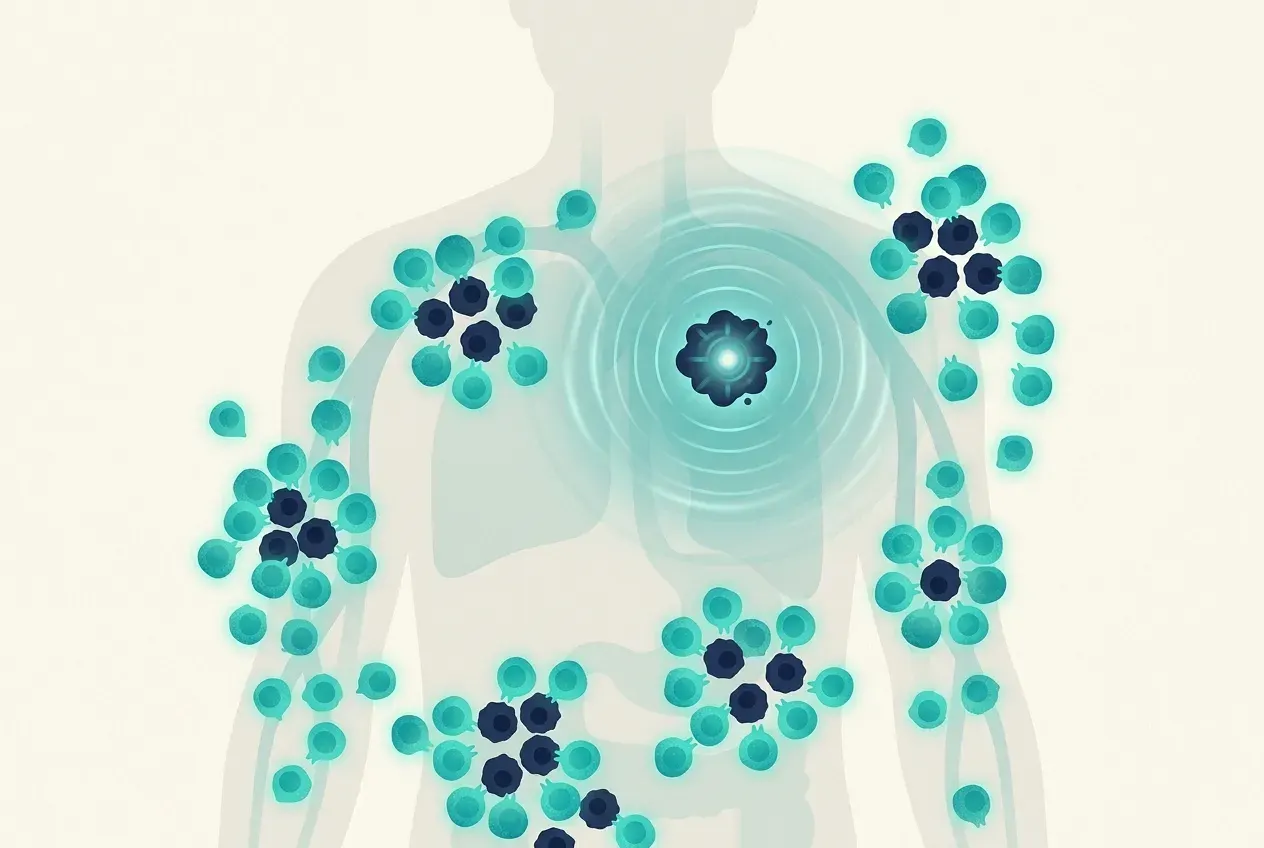
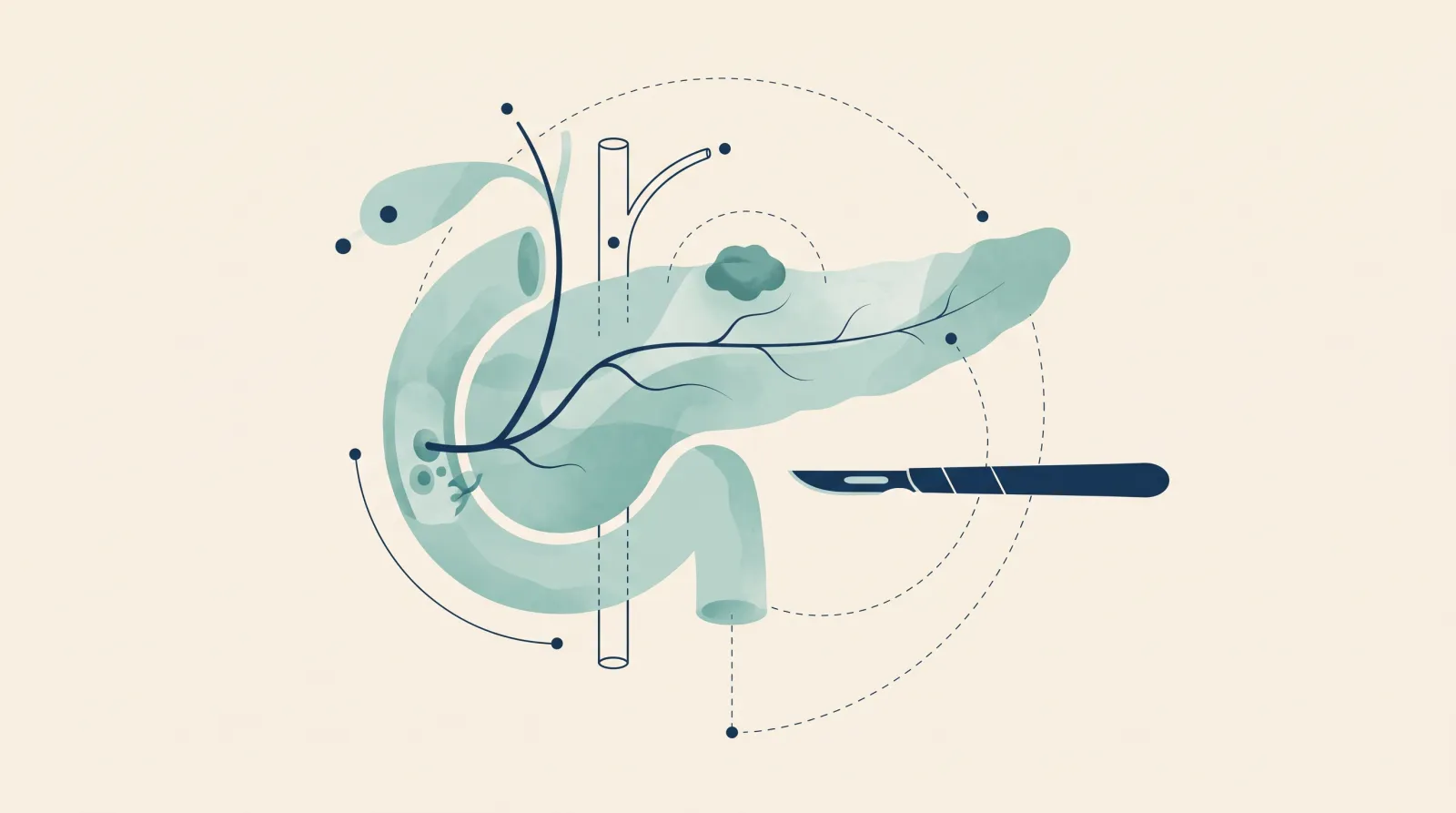
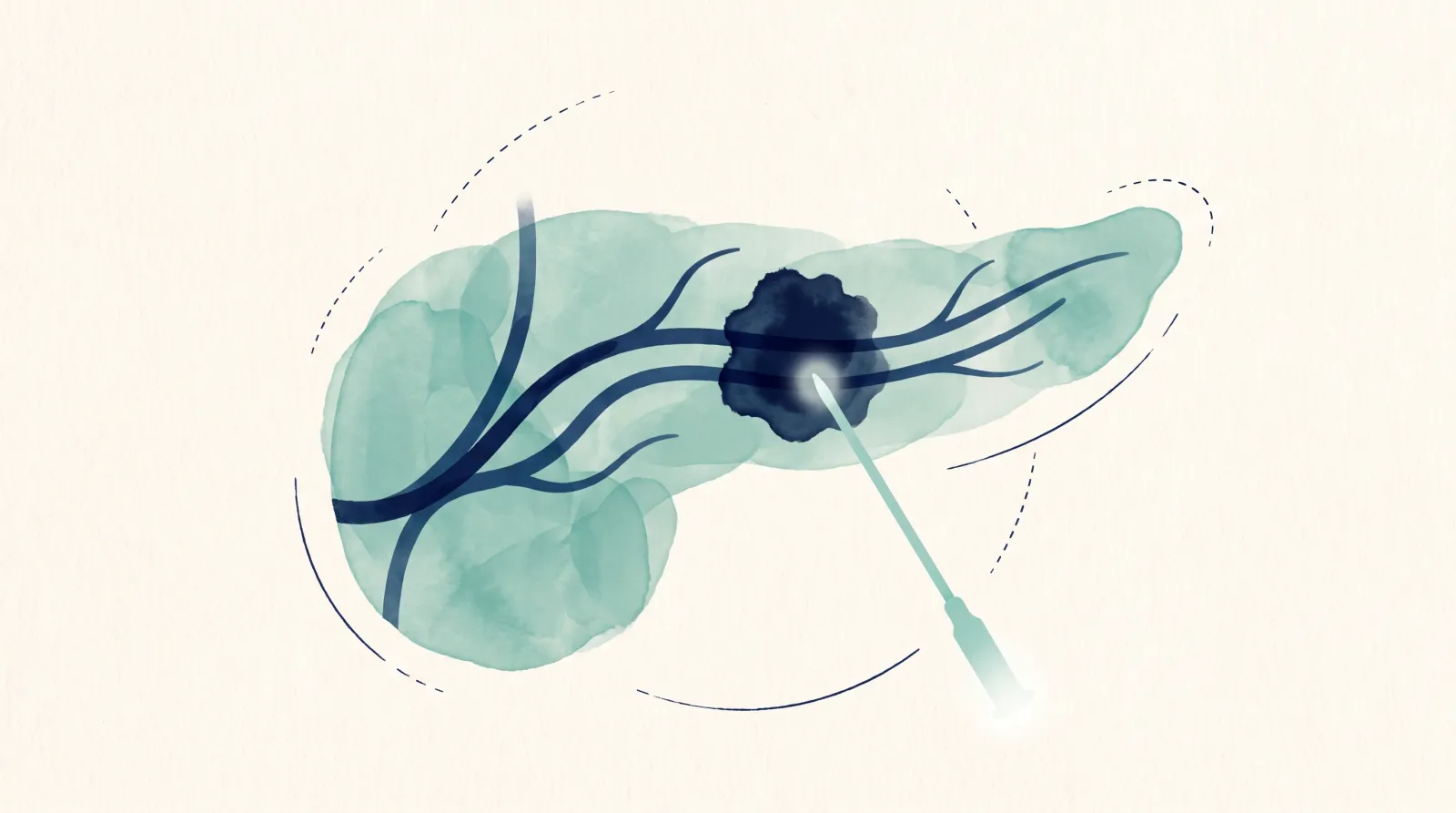
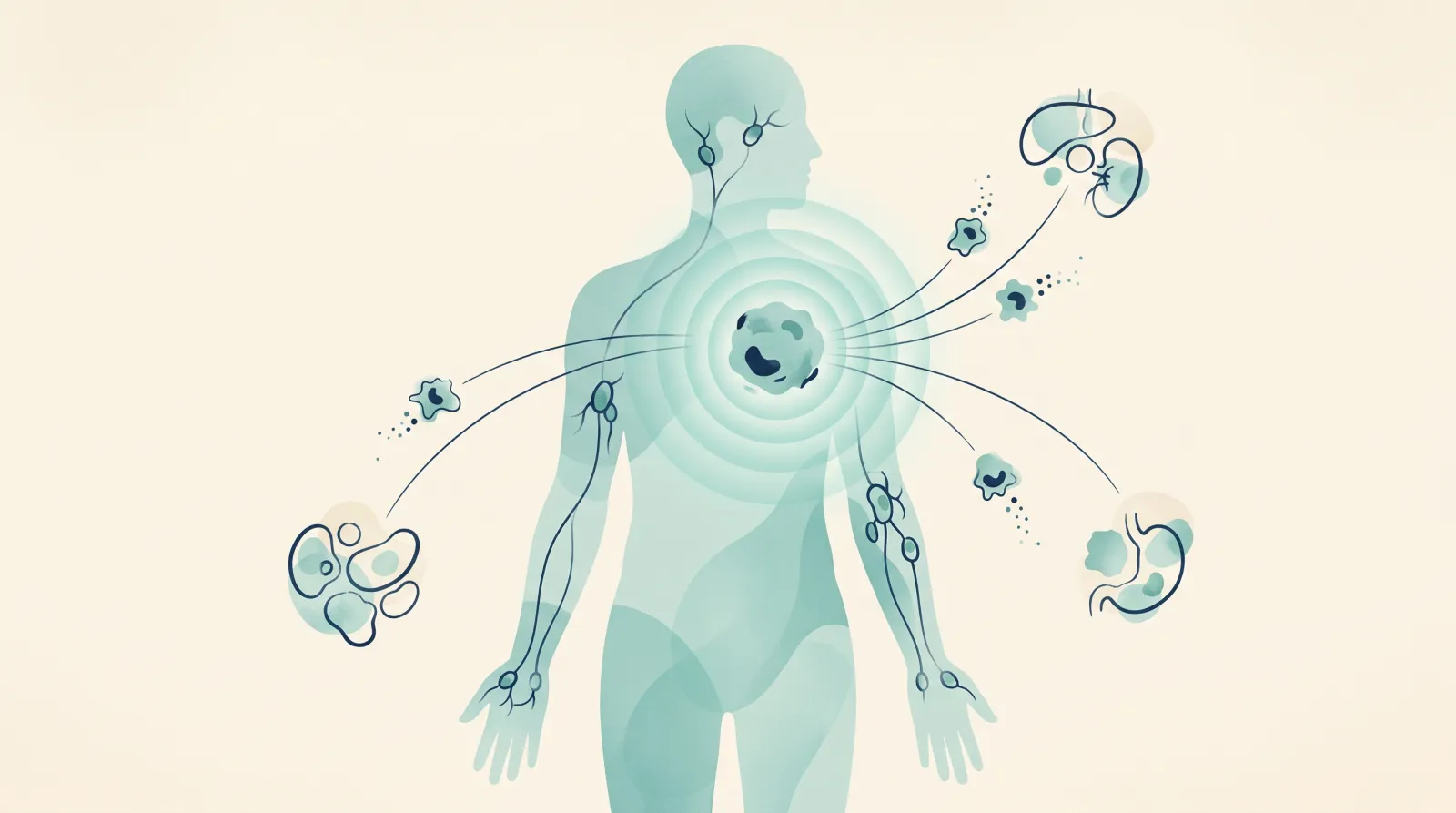
What is done here. Image-guided ablation of a liver tumor, usually with pulsed electric field (PEF) ablation, which uses electrical pulses rather than heat, followed in the same session by injection of a combination of immune-active agents into the ablated tumor. The rationale: many liver cancers, especially those driven by chronic hepatitis B or C, carry viral antigens the immune system could recognize but does not; ablation exposes tumor antigens, and the injected agents are intended to drive an immune response to them. The liver's own arterial supply also allows an intra-arterial route, infusing immune agents through the hepatic artery so that they concentrate in the liver. This combination is offered under physician review. In our clinical observations, treating a liver tumor produces an immune effect on disease outside the liver.
The procedure, step by step
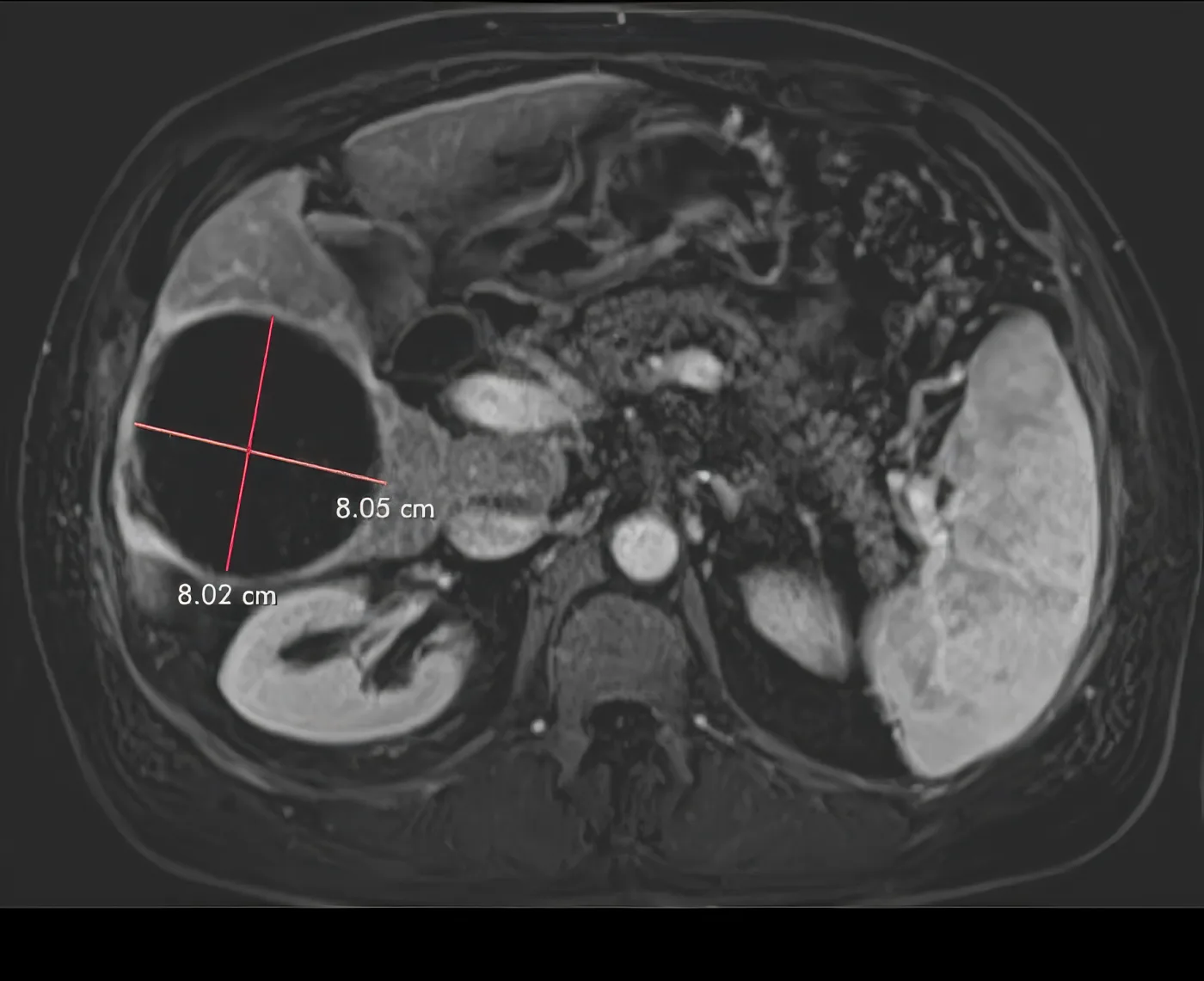
Case review. Triphasic CT or liver MRI, PET, biomarker reports (hepatitis B and C status, AFP, PIVKA-II where available, mutation profile) and liver bloodwork for the Child-Pugh score are read by the Williams Cancer Institute team.
Protocol design. The intratumoral combination is chosen for the cancer's origin (HCC or metastasis), Child-Pugh status and treatment history.
Guidance and ablation. CT-guided percutaneous access. PEF ablation is non-thermal and is given in cycles, across one or more sessions; cryoablation or microwave ablation is used where appropriate.
Intratumoral immunotherapy. Through the same access, a multi-agent combination is injected into the ablation bed.
Intra-arterial option for liver-dominant disease. A catheter is advanced, usually from the groin or wrist, into the hepatic artery and immune agents are infused into the liver's blood supply. It can be combined with intratumoral injection of the dominant tumors in the same session.
Setting and time. Most procedures are outpatient under conscious sedation; general anesthesia or an overnight stay is rarely required. About an hour for a needle procedure and about two hours' recovery.
Follow-up. AFP and imaging at 6 to 8 weeks. Repeat procedures as indicated; the number of treatments is decided with the patient's physician. The home hepatology, interventional radiology and oncology teams are kept informed.
Agents. Agents used in the published liver series [1]: checkpoint inhibitors (ipilimumab, nivolumab), CpG, CD40 and OX40 agonists, anti-CD47 and PV-10. The combination varied between patients.
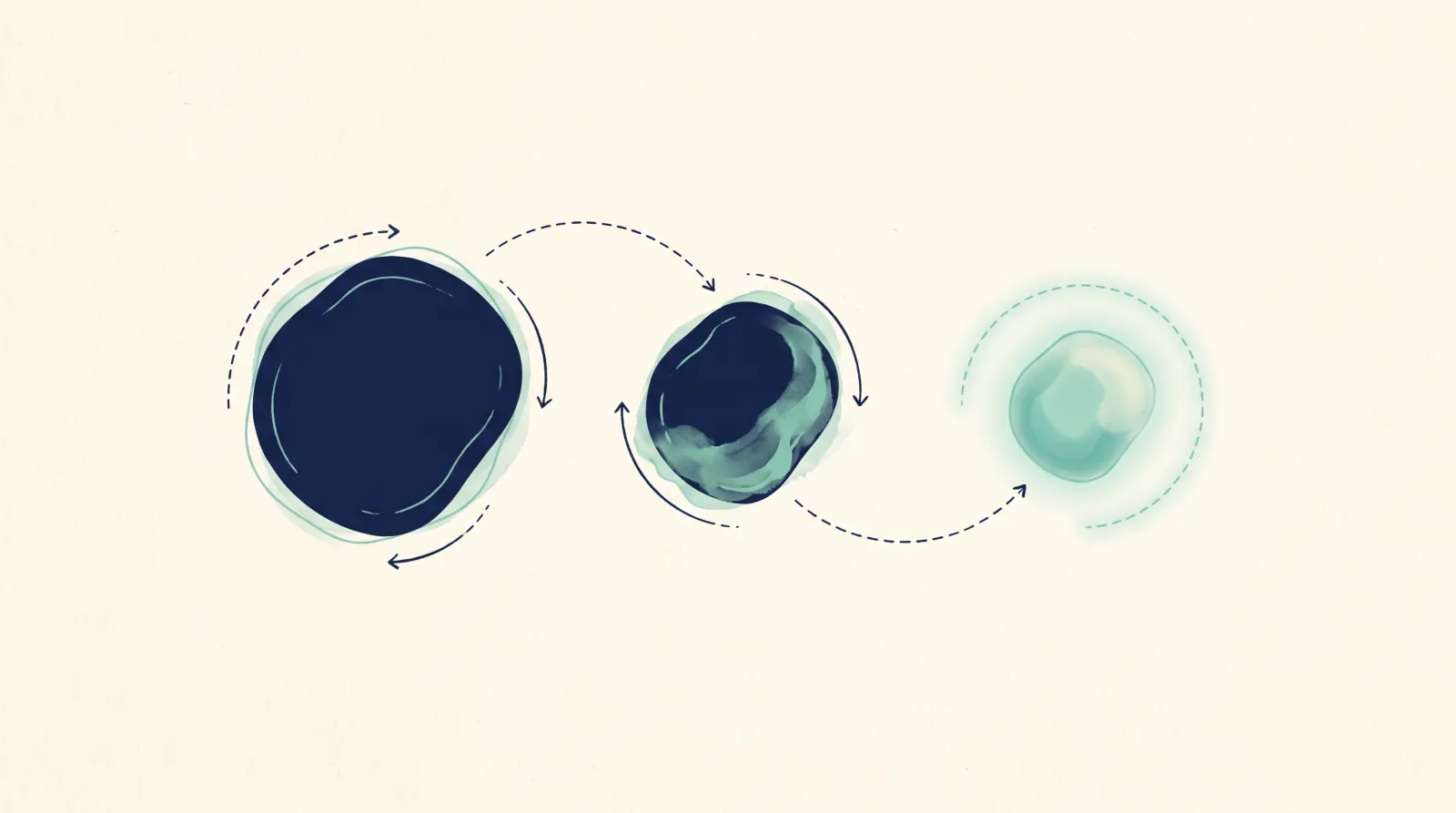
The immune conversion cycle, in clinical terms. Ablation disrupts the tumor and exposes its full antigen repertoire, not a pre-selected subset. The injected immunotherapy then remodels the tumor microenvironment, priming, recruiting and activating immune cells and releasing the brakes on them. Immune-mediated lysis exposes further antigens, which re-prime the response (epitope spreading), producing a broader, polyclonal, systemic response with memory, converting a cold tumor hot. This is WCI’s stated rationale, in Dr. Goodyear’s framing, borne out in our clinical observations.
Evidence. WCI's own peer-reviewed series is a retrospective, uncontrolled report of three patients with advanced HCC (BCLC B, C and D) treated with PEF ablation plus intratumoral immunotherapy [1]. In that series two of the three patients received PEF (the first was treated before the device was available). Adverse events were transient ascites in one patient; transient severe lactic acidosis and acute kidney injury in another. One patient responded at the injected site but progressed at untreated sites. Follow-up ranged from about 6.5 months to 3.5 years, and the intratumoral agents differed between patients, so no effect can be attributed to any one of them. The published abstract states that all treated tumors responded favorably and reports no treatment-related complications; the adverse events and the progression at untreated sites are described in the full text and the record. The series shows that the procedure can be done and what can happen; it is not evidence of a response rate.
The pharmacological case for the intratumoral route comes from a mouse study: in mice with colorectal tumors and no ablation, anti-CTLA-4 injected into a tumor reached about 14 times the day-7 level of intravenous dosing in that tumor, the untreated tumor received no more than with intravenous dosing, and half the dose reached the blood within an hour [2]. That is mouse data in colorectal cancer; it does not test ablation and does not support a distant-site effect.
Non-thermal ablation in the liver has a body of evidence for classical irreversible electroporation: a meta-analysis of 26 studies (807 patients, 1,115 lesions) reported complete ablation in 86% (95% CI 81–90%) with complications in 23%, mostly minor [3]. Classical irreversible electroporation, the Aliya PEF system used here, and nanosecond PEF are related but not interchangeable, and outcomes do not transfer between devices. Systemic checkpoint blockade combined with ablation in HCC has been tested with intravenous tremelimumab plus transarterial chemoembolization or radiofrequency ablation (the abstract says "chemoablation"), with 5 of 19 evaluable patients showing a confirmed partial response [4]; that trial used an intravenous, not an intratumoral, drug. For the intra-arterial route, the evidence WCI's record cites is for hepatic arterial infusion chemotherapy combined with intravenous checkpoint inhibitor and a tyrosine kinase inhibitor; it is chemotherapy-plus-immunotherapy infusion, not immunotherapy alone, and none of it is WCI's data. No prospective trial combining PEF ablation with intratumoral immunotherapy in HCC is registered.
Sources[1] Soule E, Vargas C, Sanchez R, Cortes E, Goodyear N, Barco R, Williams J. Pulsed Electrical Field Ablation Plus Intratumoral Immunotherapy for Hepatocellular Carcinoma. Journal of Immunotherapy 2026;49(5):214–224. PMID 42132749.[2] Meyblum L, et al. Journal for ImmunoTherapy of Cancer 2023. PMID 37949616.[3] Meta-analysis of irreversible electroporation in liver tumors (26 studies, 807 patients, 1,115 lesions). PMID 35012834.[4] Duffy AG, et al. Tremelimumab in combination with ablation in patients with advanced hepatocellular carcinoma. Journal of Hepatology 2017. PMID 27816492.