Standard care. Early disease: surgery or radiation. Locally advanced disease: concurrent chemoradiation, with cetuximab in selected cases. Recurrent or metastatic disease: pembrolizumab, alone for a PD-L1 combined positive score of 1 or more or with chemotherapy, is first-line standard care [2]; after progression, cetuximab-based regimens, then single agents, and options narrow. Intravenous (IV) pembrolizumab gives systemic drug exposure.
Ablation alone. Local control. Heat-based ablation is limited in the head and neck because tumors sit against the carotid arteries, jugular veins, cranial nerves and airway.
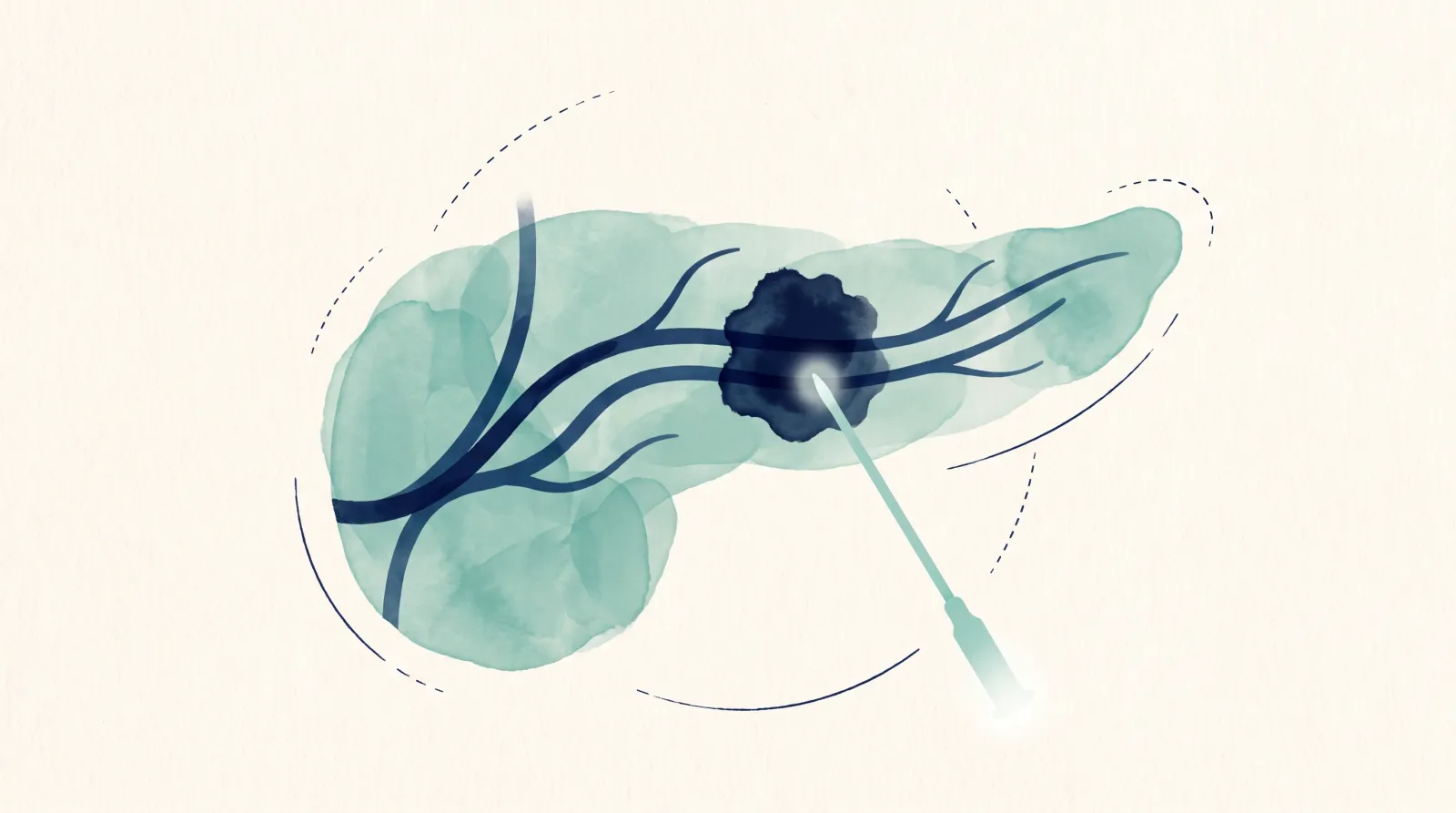
This approach. Image-guided ablation of the tumor using pulsed electric field (PEF) ablation, a non-thermal method that can be used where heat would injure a vessel, a nerve or the airway; combined in the same session with a multi-agent intratumoral immunotherapy injected into the ablation bed. Injection-only sessions, without ablation, are also used. It is intended for disease that has come back or spread after the standard lines.
The procedure, step by step
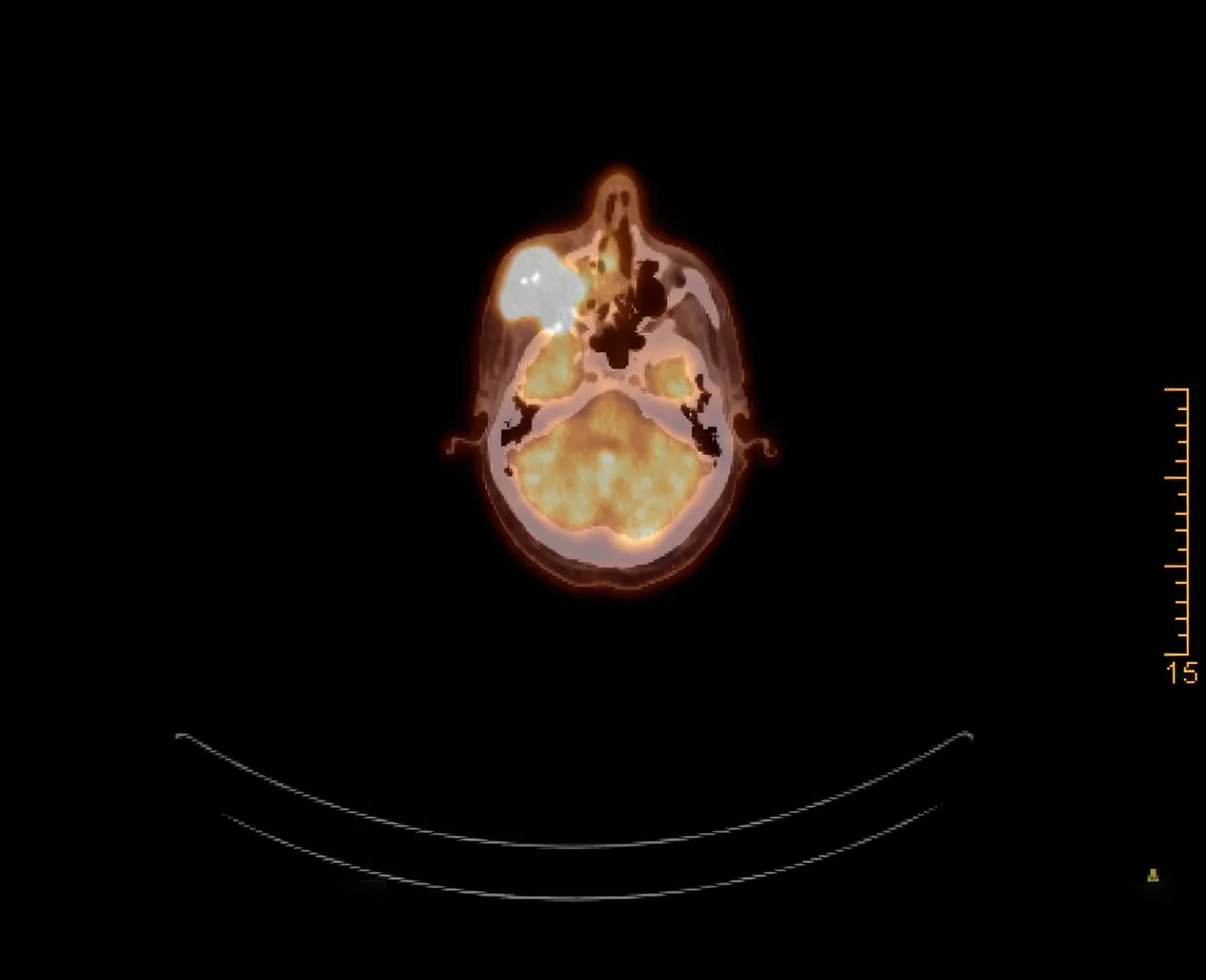
Case review. CT or MRI of the head and neck, PET, and biomarker reports (HPV/p16, PD-L1 CPS, NTRK, ERBB2) are read by the Williams Cancer Institute team. Airway status and the tumor's relation to the carotid are assessed from the imaging.
Protocol design. The intratumoral combination is chosen from HPV status, immune profile and prior lines.
Guidance and ablation. Image-guided percutaneous access. PEF ablation in multiple cycles.
Intratumoral immunotherapy. Through the same access, a multi-agent combination is injected into the ablation bed.
Setting and time. About an hour for the procedure under conscious sedation, and about two hours of recovery. Most procedures are outpatient under conscious sedation; general anesthesia or an overnight stay is rarely required.
Follow-up. Imaging at 6 to 8 weeks. Repeat procedures as indicated; the number of treatments is decided with the patient's physician. The home head-and-neck, radiation and medical oncology teams are kept informed throughout.
Agents. The injected immunotherapy is a multi-agent combination. The agents and doses are set per patient by the treating physician.
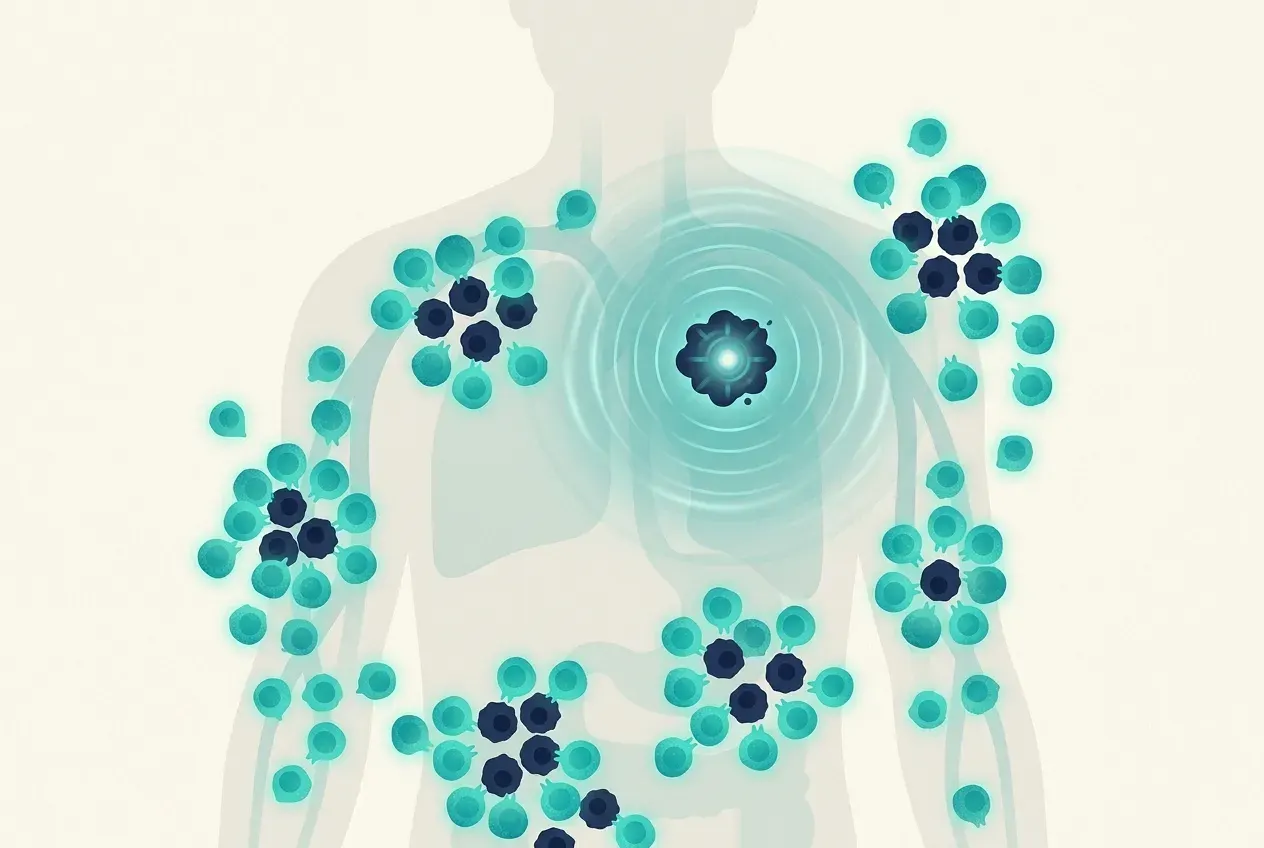
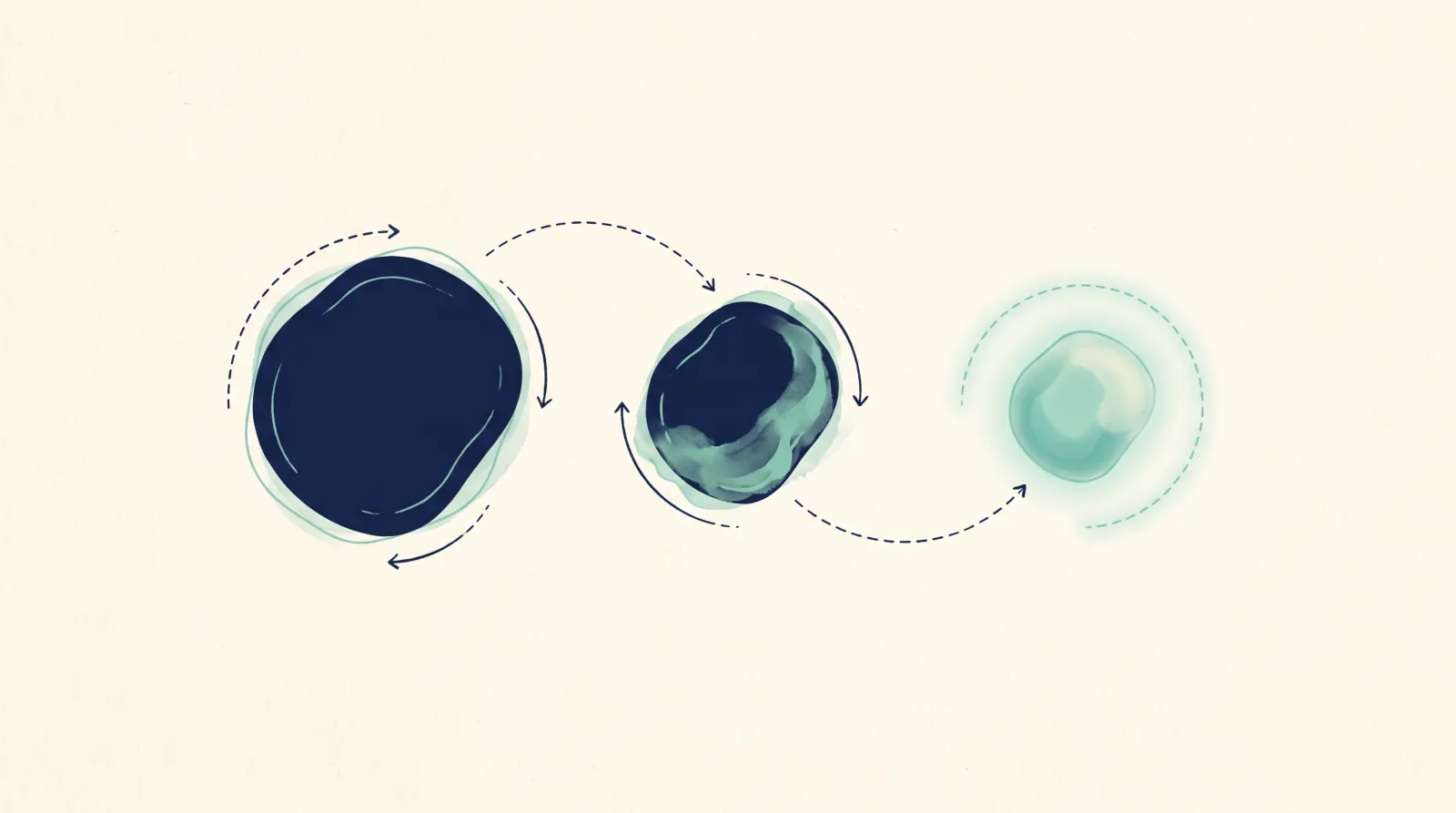
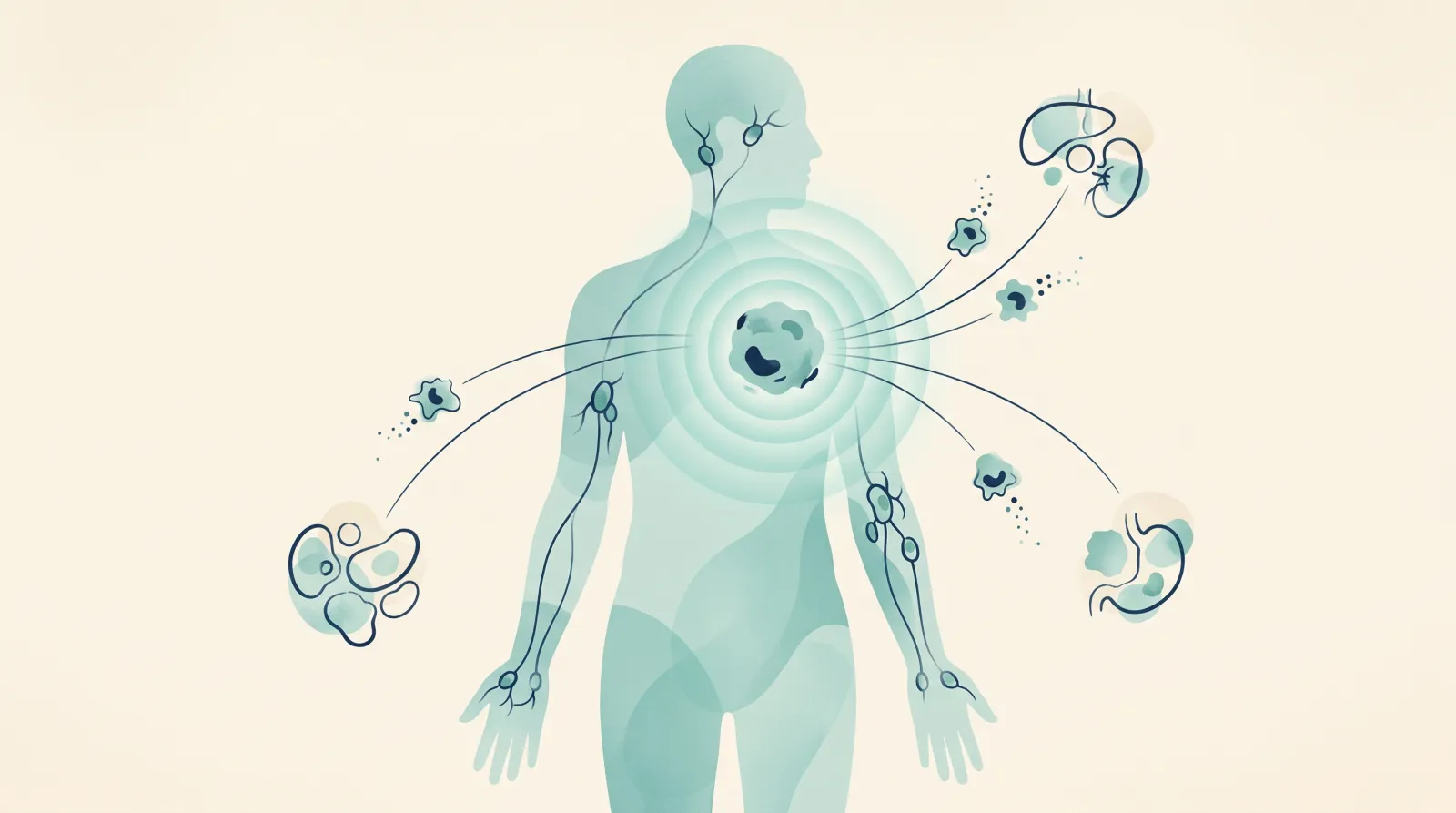
The immune conversion cycle, in clinical terms. Ablation disrupts the tumor and exposes its full antigen repertoire, not a pre-selected subset. The injected immunotherapy then remodels the tumor microenvironment, priming, recruiting and activating immune cells and releasing the brakes on them. Immune-mediated lysis exposes further antigens, which re-prime the response (epitope spreading), producing a broader, polyclonal, systemic response with memory, converting a cold tumor hot. This is WCI’s stated rationale, in Dr. Goodyear’s framing, borne out in our clinical observations.
Rationale. Many head and neck cancers, especially HPV-positive oropharyngeal cancers, carry viral proteins (E6 and E7) that the immune system can in principle recognize; the tumor masks them. HPV-negative disease is colder. WCI's rationale is that ablation exposes the tumor's antigens and that the injected agents amplify immune recognition of them at the site, and that because the surrounding mucosa often harbors other early lesions (field cancerization), an immune response raised at one lesion may act against lesions that share its antigens. Both are seen in our clinical observations.
Evidence, and its limits. In mice with colorectal tumors and no ablation, anti-CTLA-4 injected into a tumor reached about 14 times the day-7 level of IV dosing in that tumor; the untreated tumor received no more than with IV dosing, and half the dose reached the blood within an hour [1]. That is mouse data in a colorectal model, not head and neck; it does not test ablation or show a distant-site effect. KEYNOTE-048 established pembrolizumab, alone or with chemotherapy, as first-line standard care in recurrent or metastatic disease [2]. The one recorded case under 'What the records show' is a single documented course, not a series. There is no published WCI series in head and neck cancer and no randomized trial of this combination.