Williams Cancer Institute +1 (863) 451-9755
Microbiome Therapy (FMT)

Screened donor stool that aims to support your immunotherapy.

Gut bacteria are linked to how immunotherapy works. We change them with a screened healthy donor product, FDA-approved for a gut infection, timed to your immunotherapy, at our Beverly Hills office.

Send your records How it works

A physician reads them. No cost, no obligation.

What we do, and why it is different

Work on the gut to support your immunotherapy

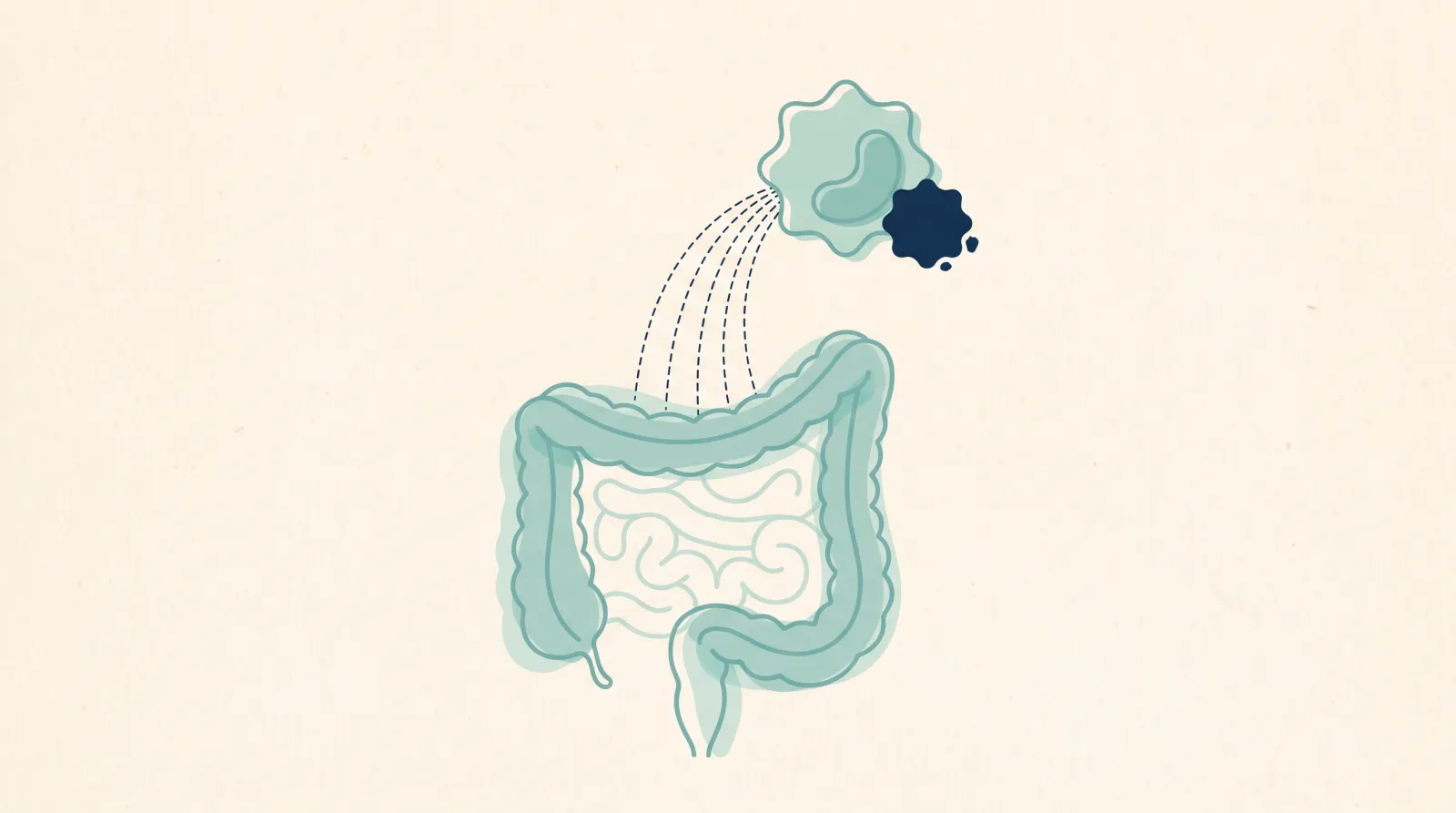
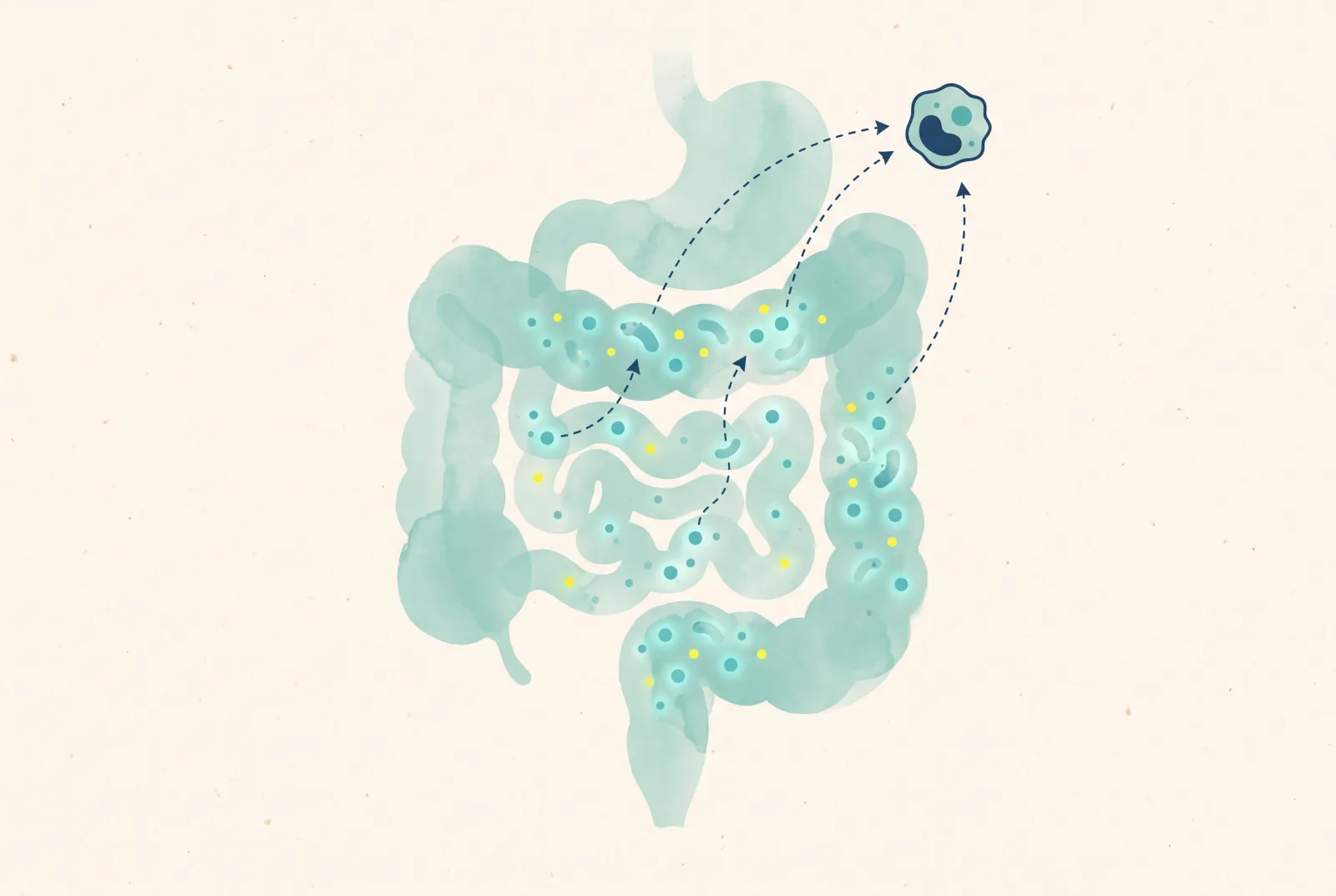
The bacteria in your gut are linked to how well immunotherapy works. FMT, a fecal microbiota transplant, aims to change those bacteria with a screened healthy donor stool product, timed to your immunotherapy. It works alongside your immunotherapy, and a WCI physician reviews every case.

Healthy donor stool, not a needle

The product is screened donor stool, given as an enema.
Timed to your immunotherapy

In the human trials, FMT was given close to the start, or the restart, of checkpoint immunotherapy (drugs such as Keytruda or Opdivo). We time it the same way, as part of your immunotherapy plan rather than a procedure on its own.

The evidence: melanoma

In two 2021 melanoma trials, donor stool from immunotherapy responders, given by colonoscopy, to patients whose cancers had previously not responded to the same immunotherapy, with a restart of the same immunotherapy drug, was followed by tumors shrinking in 3 of 10 patients in one trial, and 3 of 15 in the other trial, where 3 more held steady for over a year.

What it is [14]. Fecal microbiota transplantation (FMT) reshapes the gut microbiome, the community of bacteria in the intestines, to make immunotherapy more effective. It works alongside intratumoral immunotherapy and systemic therapy, and a WCI physician reviews every case. The physicians decide whether to use it alongside immunotherapy; the current FDA indication covers C. difficile.

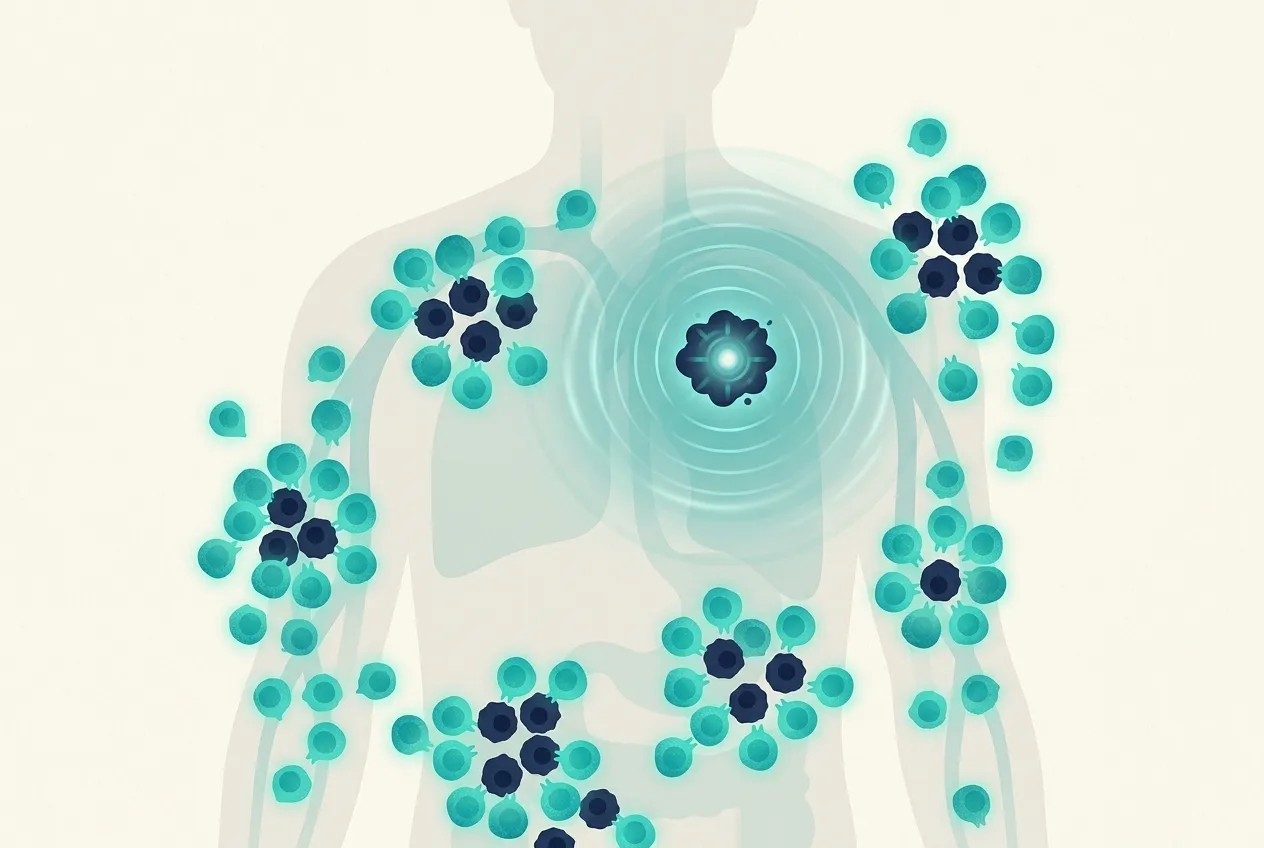
Mechanism. Gut bacteria shape anti-tumor immunity by promoting dendritic-cell maturation, IL-12 signaling, interferon-producing T cells and increased CD8+ T-cell activity, making the tumor microenvironment more permissive to checkpoint blockade. The papers behind that statement are Bifidobacterium and anti-PD-L1 response in mice [4]; Bacteroides and anti-CTLA-4 response via IL-12 and TH1 responses, in mice and in patients' stool [5]; antibiotic exposure and Akkermansia muciniphila in patients with epithelial tumors on PD-1 blockade [6]; the commensal microbiome and anti-PD-1 efficacy in metastatic melanoma [7]; and Faecalibacterium and microbial diversity in melanoma responders to anti-PD-1 [8].

The gut microbiome can influence cancer immunotherapy effectiveness by regulating immune-cell function beyond the intestine. In a landmark mouse study, Sivan et al. (2015) [4] demonstrated that Bifidobacterium enhanced dendritic-cell function, improved tumor-specific CD8+ T-cell priming, increased T-cell accumulation within tumors, and markedly improved the antitumor effects of PD-L1 blockade. Separately, Vétizou et al. (2015) [5] demonstrated that specific Bacteroides species supported CTLA-4 blockade through dendritic-cell activation and IL-12-dependent TH1 immune responses. Together, these studies show that intestinal microbes can shape systemic antitumor immunity through distinct immunological pathways and may influence how tumors respond to checkpoint inhibition.

Product and route. REBYOTA (fecal microbiota, live-jslm) is approved for the prevention of recurrence of C. difficile infection in adults following antibiotic treatment for recurrent infection; it is for rectal administration only, as a single 150 mL dose, and is made from the stool of qualified donors tested for a panel of transmissible pathogens [9]. VOWST, an oral product approved on 26 April 2023, is the second approved product, for the same indication.

Screening. Donor stool is tested for a panel of transmissible pathogens, under screening standards the FDA has kept up to date, including SARS-CoV-2 and mpox [10]. WCI uses the tightly screened, regulated product. Like any procedure, FMT carries risks, including infection.

Timing. The direct human evidence gave FMT close to the start, or the restart, of checkpoint-inhibitor immunotherapy. WCI sequences it the same way, near the immunotherapy window, as part of the immunotherapy plan rather than as a standalone procedure.

What the trials show, each with its own number.

  • Refractory melanoma, 2021. Baruch et al. [1]: 10 patients with anti-PD-1-refractory metastatic melanoma received FMT from one of two responder donors (colonoscopic FMT plus capsules) with anti-PD-1 re-induction; 3 of 10 responded (2 partial responses, 1 complete response). Davar et al. [2]: a single colonoscopic FMT from one of 7 responder donors plus pembrolizumab 200 mg every 3 weeks in anti-PD-1-refractory melanoma, 16 enrolled and 15 evaluable, every patient primary refractory; 6 of 15 had clinical benefit, as 3 objective responses (1 complete, 2 partial) and 3 with stable disease lasting more than 12 months.
  • First-line melanoma, 2023. Routy et al. [3]: healthy-donor FMT plus anti-PD-1 as first-line treatment for advanced melanoma, phase I, 20 patients, safety as the primary endpoint. Feasible and well tolerated, with an objective response rate of 65%.
  • First-line kidney cancer, 2026 (TACITO) [11]: a randomized placebo-controlled phase 2a trial in 45 patients with metastatic kidney cancer on pembrolizumab plus axitinib, with responder donors. Median progression-free survival was significantly longer with FMT (24.0 versus 9.0 months), and objective response was 52% versus 32%.
  • First-line lung cancer and melanoma, 2026 (FMT-LUMINate) [12]: phase 2, oral-capsule FMT plus immunotherapy. Objective response 80% (16 of 20) in non-small-cell lung cancer and 75% (15 of 20) in melanoma.
  • First-line kidney cancer, 2026 (PERFORM) [13]: phase 1, 20 patients with metastatic kidney cancer, capsule FMT plus checkpoint therapy. The safety endpoint was met.
  • Pancreatic cancer. One small early-phase trial of FMT in pancreatic cancer is registered (NCT04975217, planned for 10 patients); the registry lists it as suspended at the investigator's request [15].

WCI's own experience. WCI is preparing its own FMT outcome series for publication.

Sources

  1. Baruch EN, et al. Science 2021. PMID 33303685. NCT03353402.
  2. Davar D, et al. Science 2021. PMID 33542131. NCT03341143. Full text PMC8097968.
  3. Routy B, et al. Nature Medicine 2023. PMID 37414899. DOI 10.1038/s41591-023-02453-x.
  4. Sivan A, et al. Science 2015. PMID 26541606.
  5. Vétizou M, et al. Science 2015. PMID 26541610.
  6. Routy B, et al. Science 2018. PMID 29097494.
  7. Matson V, et al. Science 2018. PMID 29302014.
  8. Gopalakrishnan V, et al. Science 2018. PMID 29097493.
  9. REBYOTA (fecal microbiota, live-jslm) prescribing information, DailyMed.
  10. DeFilipp Z, et al. New England Journal of Medicine 2019. PMID 31665575; FDA donor-screening communications for fecal microbiota, 2019–2022.
  11. TACITO trial. Nature Medicine 2026. PMID 41606119.
  12. FMT-LUMINate trial. Nature Medicine 2026. PMID 41606121.
  13. PERFORM trial. Nature Medicine 2026. PMID 41606120.
  14. WCI procedure page "Microbiome Therapy (FMT)", signed off by Dr. Goodyear 2026-08-22 (what it is, mechanism summary, timing, the candidacy frame and cautions).
  15. ClinicalTrials.gov NCT04975217, fecal microbiota transplantation in pancreatic cancer (early phase 1; listed as suspended at the investigator's request). Supplied by Dr. Goodyear.
Is this for you?

Find the one that sounds like you

FMT is given alongside your immunotherapy. Pick the card that sounds like your situation; a physician reading your records decides what fits you. If unsure, send the records.

Melanoma that stopped answering immunotherapy

The strongest human evidence exists here. In two 2021 trials, some patients whose melanoma was growing on anti-PD-1 drugs (Keytruda, Opdivo) responded after donor FMT plus a restart of the same drug. FMT is considered an add-on to that restart.

Lung or kidney cancer on immunotherapy

2026 trials gave FMT when immunotherapy was first started, in kidney and lung cancer, with encouraging results: in one lung cancer trial, 16 of 20 patients responded. It is offered here as an add-on to your immunotherapy.

Other solid tumors on checkpoint immunotherapy, or immunotherapy injected into a tumor

FMT can be considered to change your gut bacteria, which could support the immunotherapy you are already on. Your Williams Cancer Institute physician will evaluate whether FMT supports your specific immunotherapy program.

Not on immunotherapy

FMT works together in combination with immunotherapy. If you are not on, or are about to start, checkpoint immunotherapy (Keytruda, Opdivo, and similar) or immunotherapy injected into a tumor, send your records for evaluation: our physicians will tell you whether FMT, or which of WCI's other treatments, could be appropriate.

You may be a candidate if:

You are on, or about to restart, or have failed checkpoint immunotherapy (Keytruda, Opdivo, and similar), or immunotherapy injected into a tumor. Another possibility is that, if diagnosed with melanoma, the tumor has stopped responding to checkpoint immunotherapy drugs. If you have lung, kidney, or another kind of solid-tumor cancer, your doctor may suggest altering your gut bacteria to help your immunotherapy work more effectively.

Your physician also considers:

You do not have to be receiving immunotherapy to be considered for FMT. Although emerging cancer research suggests that fecal microbiota transplantation (FMT) may help improve responses to immunotherapy, its possible applications extend beyond patients receiving checkpoint inhibitors. However, these additional applications remain investigational.

If you are receiving chemotherapy or corticosteroids, have recently taken antibiotics, or have experienced a gastrointestinal infection, your physician will carefully evaluate how these factors may affect the safety, timing, and potential effectiveness of FMT.

Your physician evaluates each patient individually, considering cancer type, current treatments, immune status, microbiome-related factors, and overall clinical condition.

Each case is individually evaluated by WCI's physicians.

FMT is given alongside immunotherapy [14].

  • Melanoma that has stopped responding to anti-PD-1 immunotherapy — the strongest direct human evidence [1, 2]. Considered as an add-on to re-induction of the same drug.
  • Lung and kidney cancer on checkpoint immunotherapy — an association is reported [6], and the 2026 first-line trials [11, 12, 13] report objective responses of 52% (TACITO, kidney) and 80% (FMT-LUMINate, lung). Considered as an add-on.
  • Other solid tumors on checkpoint or intratumoral immunotherapy — considered where microbiome conditioning could support immunotherapy that is already planned.
  • Not on immunotherapy — FMT can still be considered; uses outside immunotherapy remain investigational, and our physicians review your records for FMT or WCI's other treatments.

WCI's stated candidacy criteria. On, or about to restart, checkpoint-based or intratumoral immunotherapy · melanoma that has stopped responding to anti-PD-1 immunotherapy · lung, kidney or another solid-tumor cancer where microbiome conditioning is being considered to improve response.

Planning around your care. Your physician plans around immunotherapy, chemotherapy, steroids, a recent gut infection or antibiotics. Each case is individually evaluated by WCI's physicians. Sources

  1. Baruch EN, et al. Science 2021. PMID 33303685. NCT03353402.
  2. Davar D, et al. Science 2021. PMID 33542131. NCT03341143. Full text PMC8097968.
  3. Routy B, et al. Science 2018. PMID 29097494.
  4. TACITO trial. Nature Medicine 2026. PMID 41606119.
  5. FMT-LUMINate trial. Nature Medicine 2026. PMID 41606121.
  6. PERFORM trial. Nature Medicine 2026. PMID 41606120.
  7. WCI procedure page "Microbiome Therapy (FMT)", signed off by Dr. Goodyear 2026-08-22 (what it is, mechanism summary, timing, the candidacy frame and cautions).
How it works

Four steps, and the first three cost nothing

A call with a care counsellor, a physician's review of your records, and a video consultation come first, free. Consultations to determine eligibility and design your treatment plan are always free of charge. If you go ahead, FMT is given at our Beverly Hills office, private pay. Final costs are determined during the treatment plan design.

  1. 01Free

    Your first call

    A care counsellor calls at the time you picked, walks you through what happens next, and sends you a secure link for your records.

  2. 02Free

    Send your records

    Recent imaging (the DICOM files and their written reports), recent clinic or treatment notes, the pathology report if a biopsy has been done, and any completed genetic test reports, over that link. The review costs nothing.

  3. 03Free

    Video consultation

    Consultations are scheduled exclusively through video call. It is free of charge.

  4. 04Private pay

    If treatment goes ahead

    FMT is given at our Beverly Hills office, and it is private pay. WCI is a private entity and does not accept insurance.

For step 02

What to send

  • Recent imaging: the DICOM files and their written reports
  • Recent clinic or treatment notes
  • The pathology report, if a biopsy has been done
  • Any completed genetic test reports

A physician reads them. If something is missing, we ask for it.

For step 04

What to expect

As WCI describes it. Your physician confirms the details for your case.

Where
Given at our Beverly Hills office.
How, and how many times
Determined during the treatment plan design
Timing
Timed close to the start or restart of your immunotherapy
Your oncologist
Kept informed throughout
Safety

Your physician goes through safety and screening for your case before anything is decided.

Records to send: the immunotherapy history with dates (which checkpoint or intratumoral drugs, response, when it stopped working) · current medicines, especially steroids and any antibiotics in the last few months · recent imaging and pathology · any prior stool testing. The physician confirms the list per case.

Setting. FMT is given at WCI's Beverly Hills office. How it is given, and how many times, is determined during the treatment plan design; it is timed close to the start or restart of immunotherapy. The patient's own oncologist is kept informed throughout. Private pay; WCI is a private entity and does not accept insurance; final costs are determined during the treatment plan design.

Who does this

The physician who decides FMT cases

FMT at WCI is given at our Beverly Hills office, and decided by the physician leading the clinic's microbiome work, who reviews every FMT case. Dr. Jason Williams, WCI's founder, leads the needle-based procedures described on the cancer-type pages.

FMT at WCI is decided by the physician leading the clinic's microbiome work, who reviews every FMT case. Dr. Jason Williams, WCI's founder, leads the needle-based procedures described on the cancer-type pages (image-guided ablation with immunotherapy injected into the tumor).

The team

The people who look after you

Tap a photo to read their background.
{{ teamSel.r }}

{{ teamSel.n }}

{{ para }}

Where treatment happens

Beverly Hills

FMT is given at WCI's Beverly Hills office.

Consultations are by video. Travel is arranged once a physician has read your records and agreed that treatment makes sense.

Videos

Microbiome therapy (FMT) on video

Five videos from the Williams Cancer Institute channel: Dr. Goodyear on REBYOTA and microbiome restoration (two parts), Dr. Goodyear and Dr. Williams on FMT with immunotherapy, Dr. Williams on fecal transplant and REBYOTA, and a short patient explainer on the microbiome and immunotherapy.
Next step

Send what you have

Send us the scans and reports you already have. The physician who leads FMT at WCI reviews every case, and the team tells you whether this approach could support your treatment. No cost, no obligation. If you go ahead, your own oncologist is kept informed throughout.

info@williamscancerinstitute.com

Beverly Hills · Los Cabos