
Williams Cancer Institute +1 (863) 451-9755
Williams Cancer Institute

We treat cancer differently.

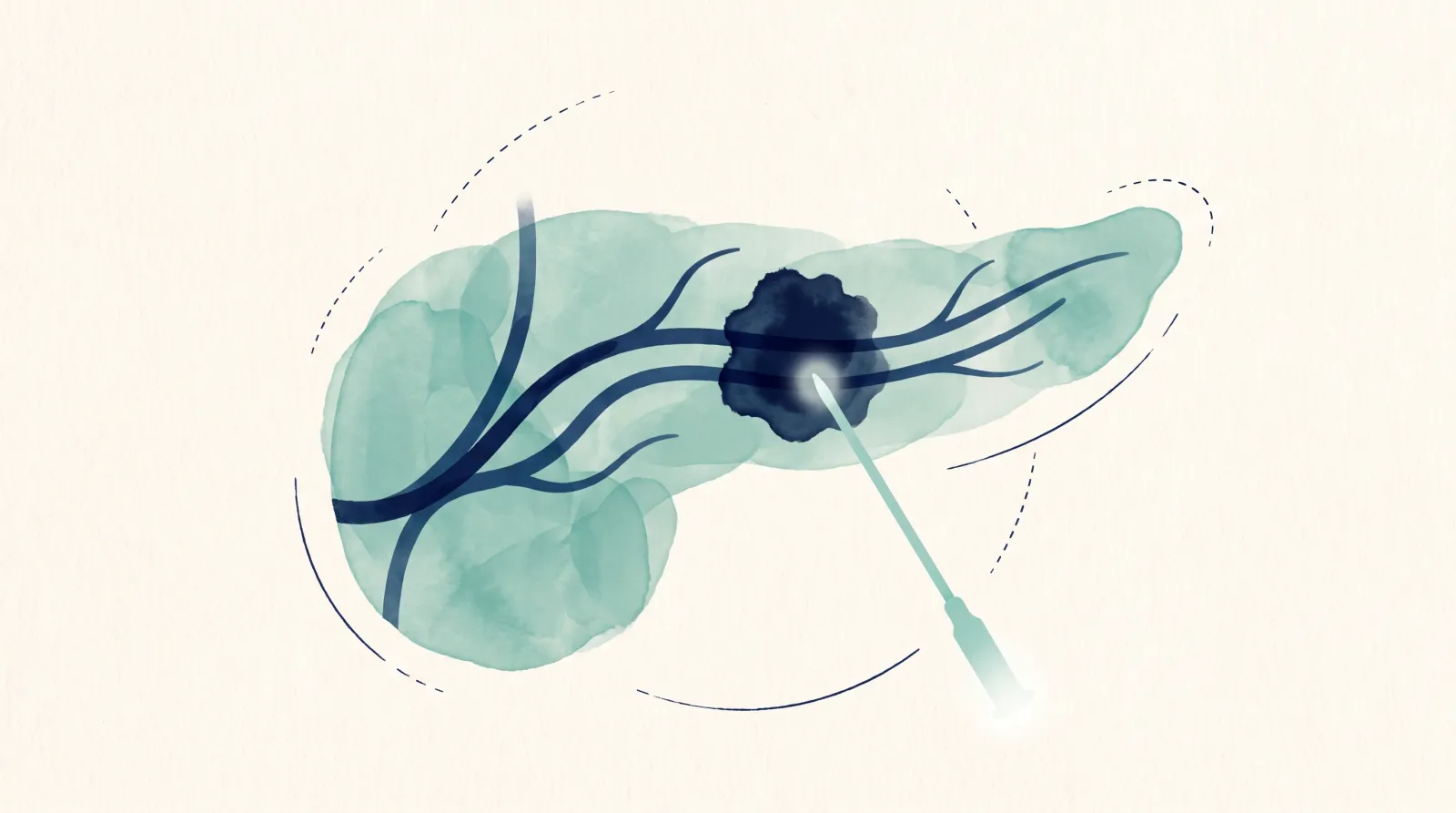
Most cancer treatment travels through the bloodstream. We go to the tumor itself: a needle breaks it open, and immunotherapy goes into that same spot, so your own immune system learns to fight the cancer wherever it is. For cancers that came back, spread, or stopped answering the drugs.

Start Your Admissions Process How It Works

Complete a short, three-step form to begin your admissions process. One of our patient consultants will contact you to explain the process and guide you through the next steps.

Cancers we treat

Find your cancer type

We treat solid tumors that a needle can reach, in many parts of the body. Each page explains, in plain words, how this works for that cancer, where it fits stage by stage, and what the evidence shows. If yours is not listed, send your records anyway: our tumor board reviews every case.

PancreaticBreastLungLiverColorectalProstateHead and neckCervicalOvarianUterineMelanomaLymphomaSarcoma
What we do
AblationVaxTreat the tumor. Teach the immune system. Treat locally, act globally.Everything we do is built on AblationVax, the approach Dr. Williams developed: the tumor is treated through a needle (ablation), and the treated tumor becomes an in-situ vaccine: a vaccine made inside your body, from your own cancer.

Treat the tumor from inside, where it hides

When cancer comes back or spreads and the drugs stop working, options narrow. We treat the tumor through a needle, usually with electrical pulses, sometimes by freezing. The same needle injects immune drugs. It works alongside your current treatment, not in place of it.

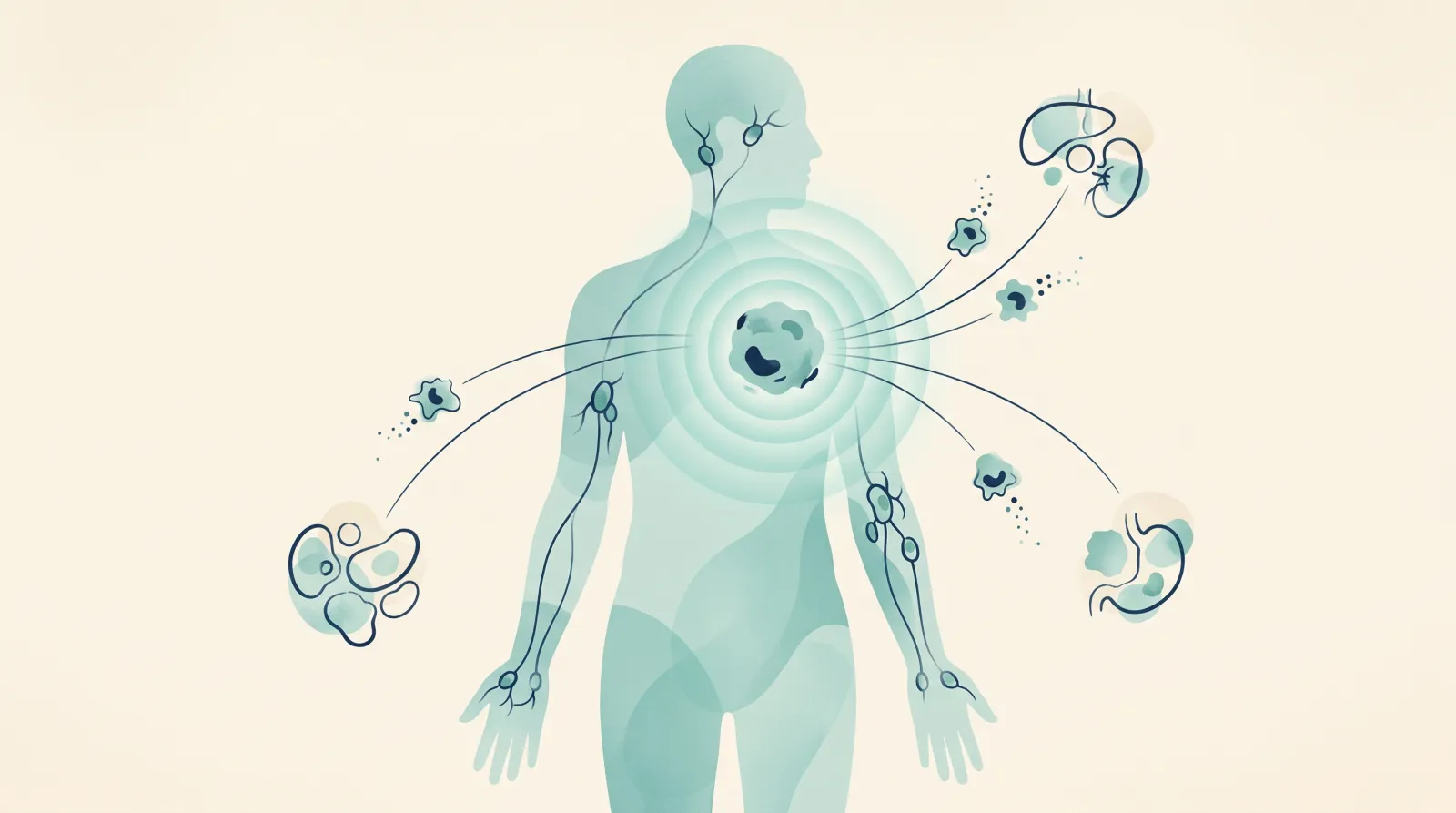
The immune drugs placed in the tumor teach the immune system to recognize this cancer, the way a vaccine does. You teach the immune system in one spot, and it goes after the same cancer in the rest of the body.

1Break it openA needle treats the tumor where it sits and breaks it open, releasing its antigens.
2Treat it in placeImmune drugs go into that exact spot, in the same session.
3Teach the whole bodyThe immune system learns the cancer at one tumor and goes after it everywhere else. Doctors call this the abscopal effect. It does not stop there: the cycle below keeps it going.
Video (1:22): Why do electricity and immunotherapy work so well together? Dr. Williams explains AblationVax.
After step 3: how AblationVax keeps working

The intratumoral immune conversion cycle

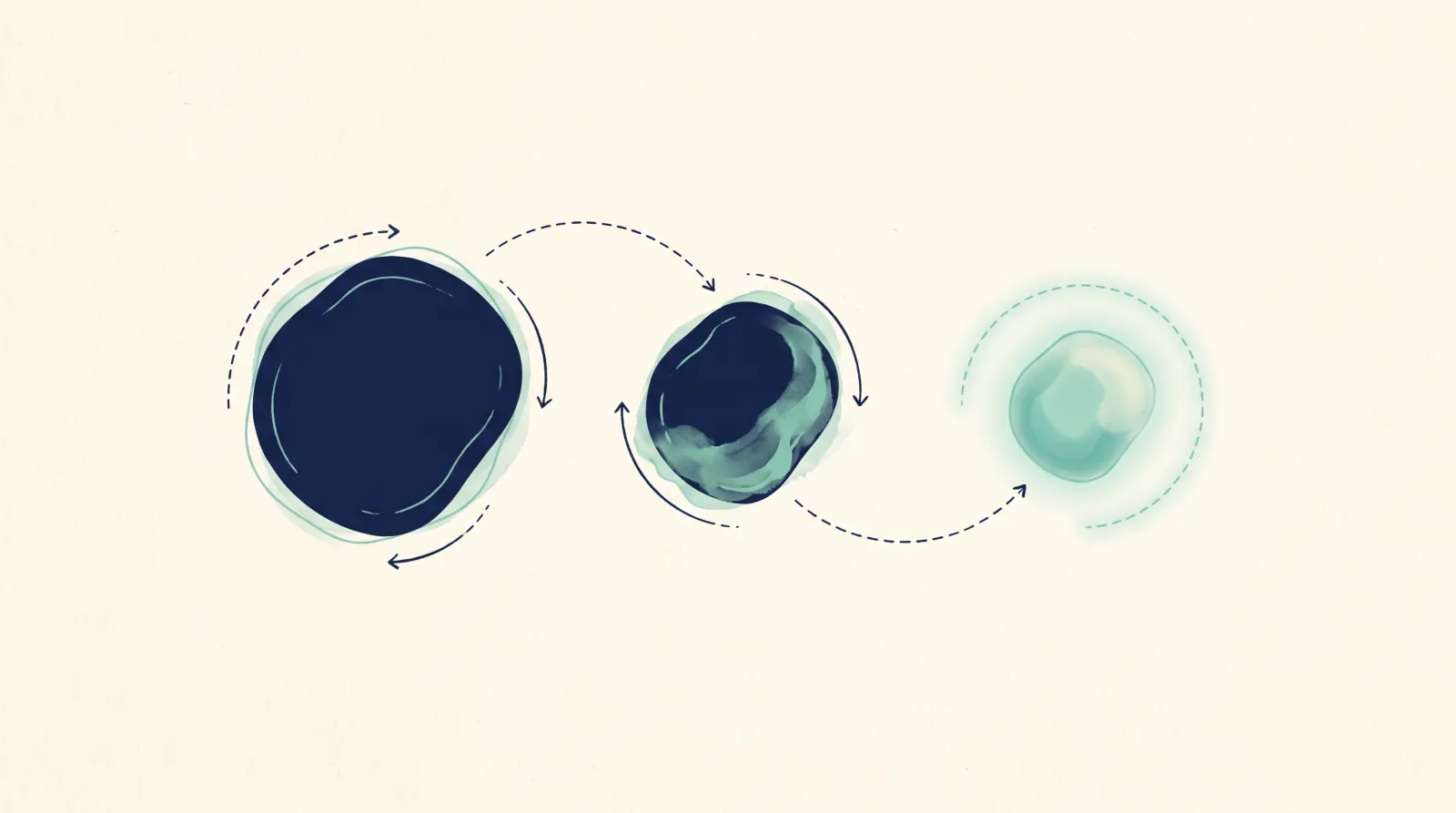
The treated tumor is the source of the vaccine, and it keeps supplying it. It is not one exposure and done. Every round of tumor cells the immune system destroys exposes new antigens, and those restart the cycle, so the response keeps spreading: broader, throughout the body, and with memory. It turns a “cold” tumor, one the immune system ignores, “hot”.

01DisruptAblation breaks the tumor open and exposes its antigens, the markers the immune system uses to recognize the cancer: not a few, all of them.
02Prime and recruitImmune drugs in that same spot call immune cells in and show them the cancer.
03Activate and co-stimulateCo-stimulation is a second go-signal. Those immune cells are switched on against the antigens the ablation just exposed.
04ReleaseThe checkpoint drugs we inject take the brakes off, so the immune system can kill tumor cells.
05DestroyImmune cells destroy tumor cells, and every cell they kill exposes new antigens.
06RepeatThe new antigens restart the cycle: re-priming, amplifying and spreading the response.

Card 06 leads back to card 02. Doctors call the widening response epitope spreading.

Most cancer vaccines: outside-inMade outside the body from a few pre-selected antigens, the same for everyone, then injected. The response is limited by the antigens someone chose.
AblationVax: inside-outMade inside your body, from every antigen in your own tumor. A vaccine made for one person: you. Not a patch: a rebuilding of the immune system from within.

Treating where surgery can’t go

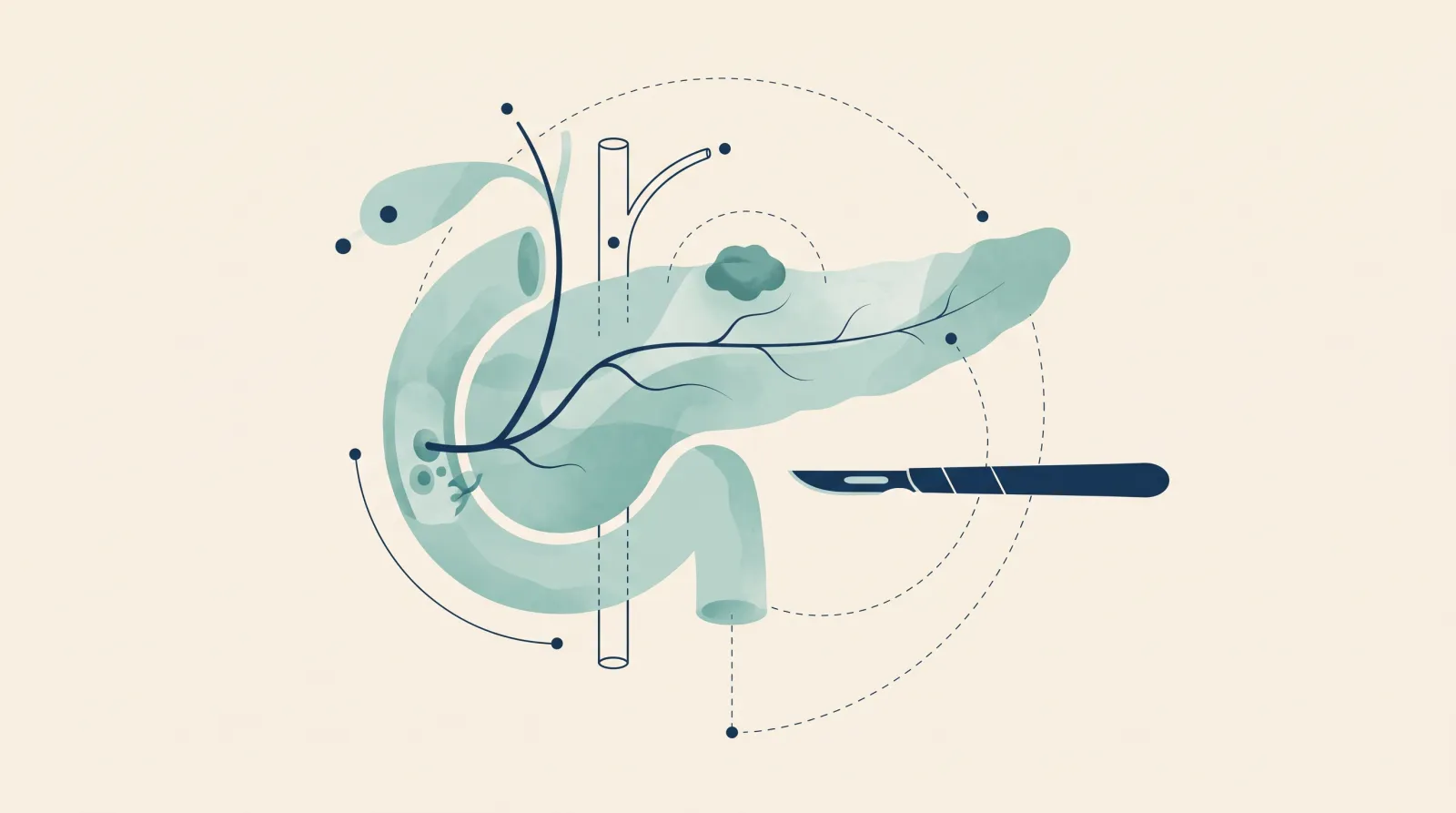
Many tumors sit against blood vessels, ducts or organs, where a surgeon or a hot probe could do harm. Electrical pulses break tumor cells open without heat, so we can treat where heat or a scalpel could not go.
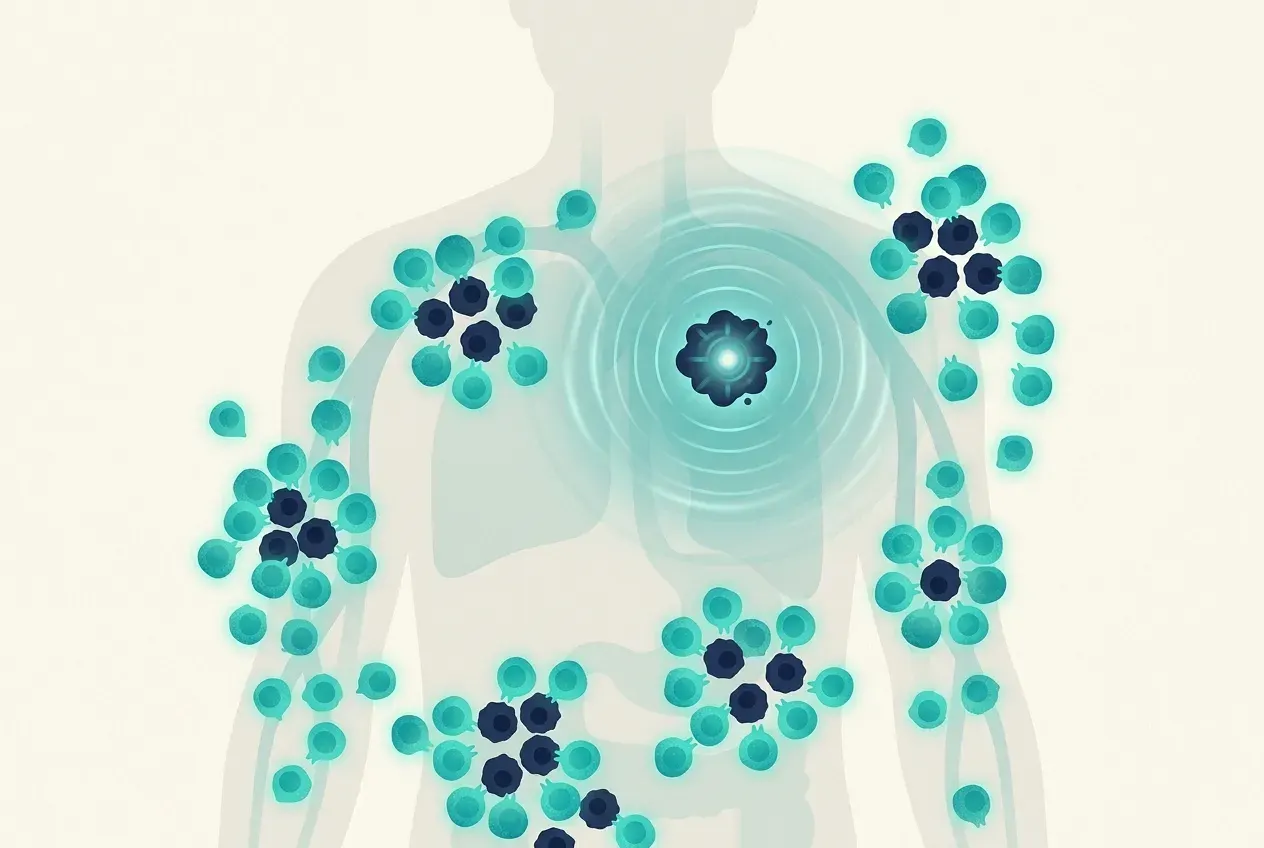
Your tumor becomes an in-situ vaccine

Every cancer carries markers the immune system could recognize, and every cancer finds ways to hide them. Breaking the tumor open exposes them, and the drugs injected into it push the immune system to act.
A short procedure, not an operation

About an hour under image guidance, and most people go home the same day, about two hours later.

Reaching cancer it never touched

Once the immune system has been alerted at one tumor and kept re-primed by the cycle above, it acts against tumors elsewhere that were never treated, and it remembers them.

Standard care. It depends on the cancer and its stage: surgery, radiation, chemotherapy, targeted drugs and IV immunotherapy, in a set order. Each cancer page below lists the standard sequence for that cancer.

Ablation alone. Ablation alone gives local control only; heat-based ablation is limited where tumors sit against vessels, ducts or organs.

This approach. Image-guided ablation of a tumor, combined in the same session with a multi-agent intratumoral immunotherapy injected into the ablation bed. Pulsed electric field (PEF) ablation, a non-thermal method, is used where the tumor lies against structures heat would injure; cryoablation is used where the anatomy allows. It is intended for recurrent or metastatic disease that has progressed on the standard lines, for oligoprogressive disease, and in selected cases alongside standard care. In our clinical observations, the immune response reaches untreated tumors elsewhere.

The procedure, step by step

  1. Case review. Imaging (CT, MRI or PET-CT) and biomarker reports are read by the Williams Cancer Institute team.
  2. Protocol design. The intratumoral combination is chosen from the cancer type, immune profile and treatment history.
  3. Guidance and ablation. Image-guided percutaneous access to the tumor. PEF ablation for tumors against vessels, ducts or organs; cryoablation where the anatomy allows.
  4. Intratumoral immunotherapy. Through the same access, a multi-agent combination is injected into the ablation bed.
  5. Setting and time. About an hour for the procedure under conscious sedation, and about two hours of recovery. Most procedures are outpatient under conscious sedation; general anesthesia or an overnight stay is rarely required.
  6. Follow-up. Imaging at 6 to 8 weeks. Repeat procedures as indicated; the number of treatments is decided with the patient's physician. The home oncology team is kept informed throughout.

Agents. The injected immunotherapy is a multi-agent combination. The agents and doses are set per patient by the treating physician.

The immune conversion cycle, in clinical terms. Ablation disrupts the tumor and exposes its full antigen repertoire, not a pre-selected subset. The injected immunotherapy then remodels the tumor microenvironment, priming, recruiting and activating immune cells and releasing the brakes on them. Immune-mediated lysis exposes further antigens, which re-prime the response (epitope spreading), producing a broader, polyclonal, systemic response with memory, converting a cold tumor hot. This is WCI’s stated rationale, in Dr. Goodyear’s framing, borne out in our clinical observations.

Rationale. Every tumor carries antigens the immune system can in principle recognize, and the tumor suppresses that response. WCI’s rationale is that ablation exposes those antigens and that the injected agents amplify immune recognition of them at the site. This is what we see in our clinical observations.

Evidence, and its limits. In mice with colorectal tumors and no ablation, anti-CTLA-4 injected into a tumor reached about 14 times the day-7 level of IV dosing in that tumor; the untreated tumor received no more than with IV dosing, and half the dose reached the blood within an hour [1]. That is mouse data in a colorectal model; it does not test ablation or show a distant-site effect. Each cancer page lists the published evidence for that cancer. Sources

  1. Meyblum L, et al. J Immunother Cancer 2023. PMID 37949616. DOI 10.1136/jitc-2023-007433.
Is this for you?

Where this fits, stage by stage

Where your cancer is, and what it has already been given, decides where we fit. Pick the card that sounds like your diagnosis. Whether this is right for you is decided case by case, by a physician reading your records, so no list here is a verdict. If you are unsure, send the records.

Early

A cancer still in the place it started. Standard care, usually surgery or radiation, works well for most and comes first; in selected cases we work alongside it.

Locally advanced

The cancer has grown into nearby tissue but not spread far. In selected cases, decided with your team, we add immune drugs inside the tumor alongside standard care.

Recurrent or metastatic

The cancer has come back or spread, and the standard drugs have been tried. We treat a tumor directly to bring the immune system back to it after those drugs have stopped working.

A few spots growing (oligoprogressive)

Most of the cancer is stable on your current treatment, but a few spots are growing. We can treat those spots directly, aiming to control them and re-engage the immune system.

You may be a candidate if:

There is a tumor a needle can reach safely, and one of these:

  • Your cancer has come back or spread and is growing despite the standard drugs
  • A few spots are growing on your current treatment
  • You want to add immune treatment to the plan you are on
  • You are looking for options beyond your home country

It may not be suitable if:

  • The tumor sits where a needle cannot reach it safely
  • You have a serious infection, or a bleeding problem that cannot be corrected first
  • You are very unwell
  • The cancer is spread across the lining of the abdomen with no single tumor to target

Each case is individually evaluated by the Williams Cancer Institute team.

  • Early. Standard care: surgery or radiation, by cancer type. This approach is rarely first-line at this stage.
  • Locally advanced. Standard care: by cancer type, often surgery or chemoradiation. Added here, under physician review: intratumoral immune priming in selected cases, alongside that care.
  • Recurrent or metastatic. Standard care: the systemic lines for that cancer. Added here, after progression on those: direct treatment of a tumor to re-engage the immune system at the site. WCI's rationale is that repeated IV checkpoint blockade depletes T-cell reserves and that delivering stimulation inside the tumor bypasses this.
  • Oligoprogressive. A few sites growing on systemic therapy. Added here: local control of those sites with intratumoral immune amplification.

WCI's stated candidacy criteria. Recurrent or metastatic disease progressing on standard sequences · Oligoprogressive disease on systemic therapy · Seeking immune options beyond IV checkpoint blockade.

WCI's stated exclusions. Active severe infection · No tumor a needle can reach safely · Uncorrectable bleeding disorders · Very poor performance status (ECOG 3 or worse) · Diffuse peritoneal pattern without a focal target.

Each case is individually evaluated by the Williams Cancer Institute team.

How it works

Your Admissions Process, in Five Steps

After completing our admissions form, one of our Patient Consultants will contact you to explain the process and guide you through the next steps. Our admissions process is free of charge, including the review of your medical information and, if our medical team determines that you are a candidate, a video consultation. Treatments are generally not covered by health insurance, and WCI does not bill insurance companies.

  1. 01Free

    Initial Contact

    One of our Patient Consultants will contact you to explain the admissions process, answer your general questions, and guide you through the next steps.

  2. 02Free

    Medical Records and Imaging

    Your Patient Consultant will guide you on the required medical records and imaging studies, as well as how to submit them so our medical team can evaluate your case.

  3. 03Free

    Tumor Board Review

    Once the necessary information has been received, our medical team will review your case to determine whether you may be a candidate for our treatments. If necessary, the medical team may request additional studies or information before making a decision.

  4. 04Free

    Video Consultation

    If our medical team determines that you are a candidate, we will coordinate a complimentary Zoom consultation with one of our physicians. During this consultation, you will be able to discuss your case, address your medical questions, and learn about the treatment approach indicated for you.

  5. 05Self-pay treatment

    Treatment Plan and Next Steps

    Following your medical consultation, you will receive a personalized treatment plan that includes the corresponding costs. If you decide to proceed, the next steps will be coordinated to schedule your treatment.

    Most treatments take place in Los Cabos, Mexico; in some cases our medical team may schedule a procedure in Mexico City. Rebyota is given only at our Beverly Hills, California location.

For step 05

What to expect

Your physician confirms the details for your case.

Procedure
About an hour. Most people go home the same day.
Anesthesia or a stay
Conscious sedation is the predominant anesthesia used. It is rare that procedures require general anesthesia or an overnight stay. Your physician tells you which.
Number of treatments
Determined during the treatment plan design.
First check-up
6 to 8 weeks after the last treatment: a scan, and blood tests for your cancer type.
Your oncologist
Kept informed throughout.
Risks

Your physician goes through the risks for your case before anything is decided.
Records to send. CT, MRI or PET-CT · Biomarker reports for your cancer (for example PD-L1, MSI) · A list of treatments so far, with dates. The physician confirms the list for each case.

Setting. Most procedures are outpatient under conscious sedation; general anesthesia or an overnight stay is rarely required.

Follow-up. First check-up at 6 to 8 weeks with a scan and the blood tests used for this cancer. The number of treatments is decided with the patient's physician.

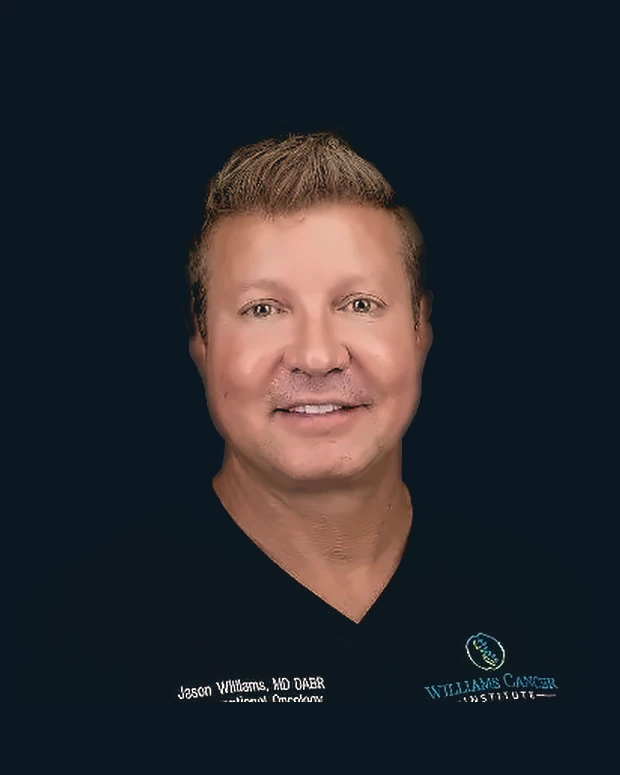
Dr. Jason R. Williams
Jason R. Williams, MD, DABRInterventional oncology
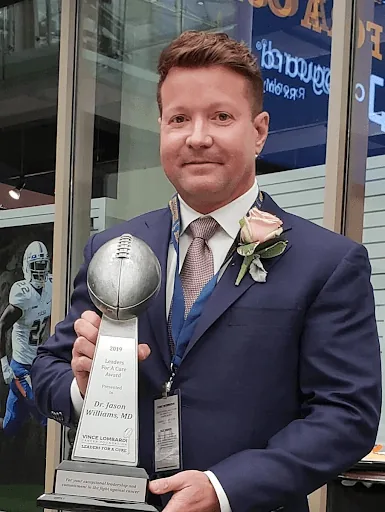
Dr. Williams holding the 2019 Vince Lombardi Cancer Foundation Leaders For A Cure award
Leaders For A Cure2019 · Vince Lombardi Cancer Foundation
The physician who decides every case

Dr. Jason R. Williams

MD, DABR · Director of Interventional Oncology and Immunotherapy

Dr. Jason Williams is a board-certified radiologist who has spent his career putting needles into tumors under imaging. His first patent, in 2003, covered ablation combined with immunotherapy injected into the tumor. A physician since 2000, he opened his first ablation center in 2004 and completed his residency in 2007. He also co-founded Syncromune, whose separate investigational drug SV-102 holds FDA Fast Track status. His tumor board reviews every case.

The team

Meet Our Medical Team

Tap a photo to read their background.
{{ teamSel.r }}

{{ teamSel.n }}

{{ para }}

Where treatment happens

Our Treatment Facilities in Los Cabos

Most of our treatments are performed in Los Cabos, Mexico, in a private hospital setting.

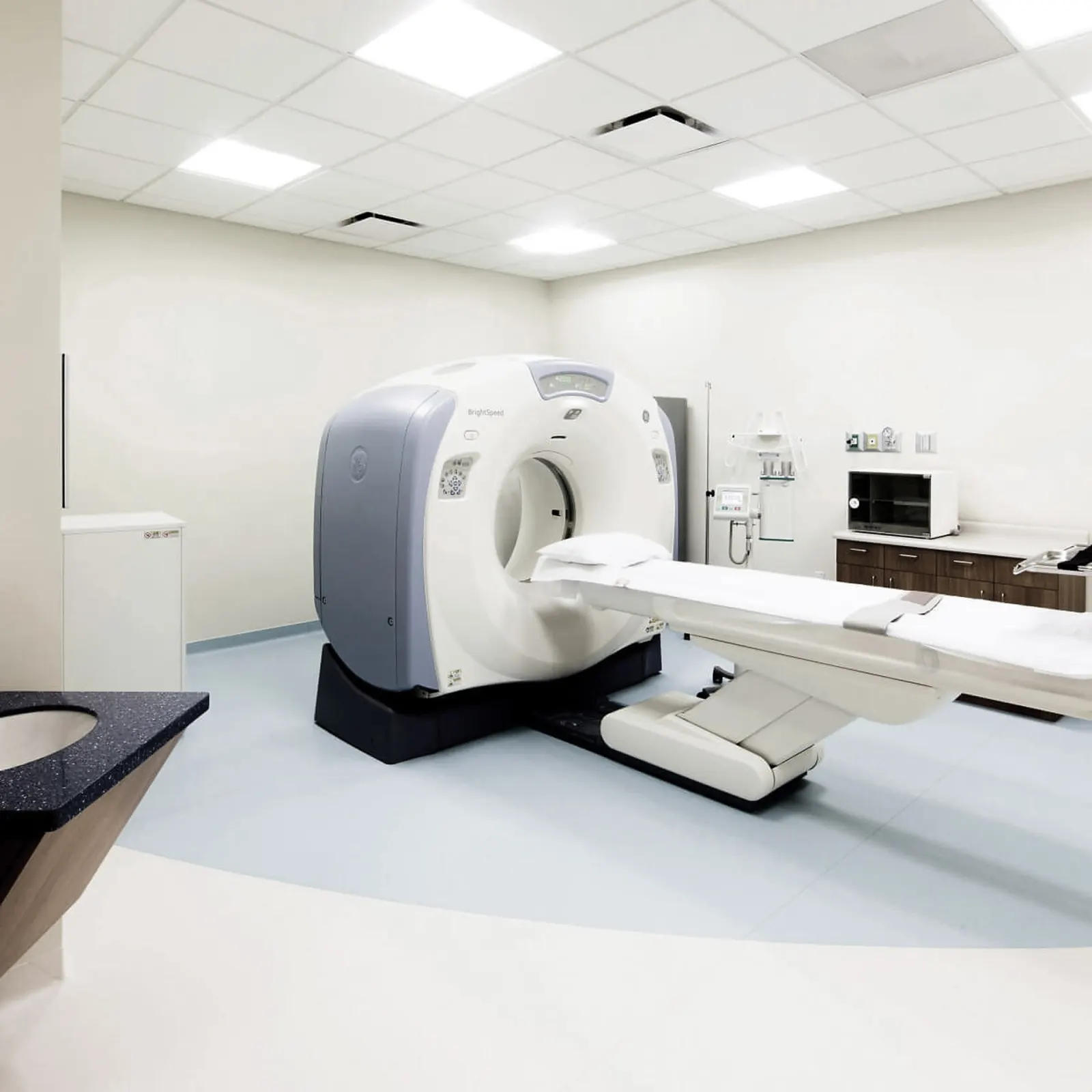
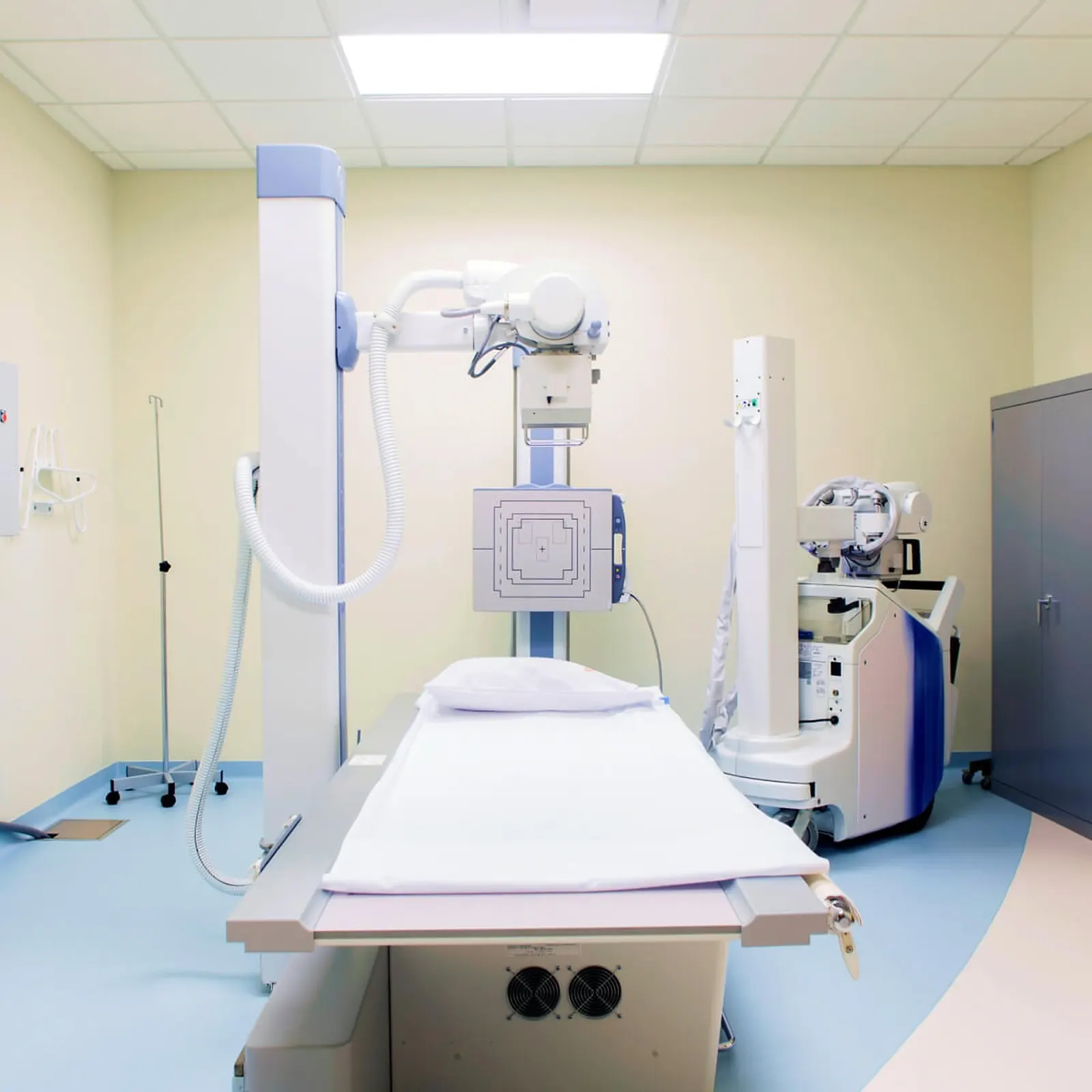
  • Imaging on site, including CT, ultrasound, MRI and digital radiology, for image-guided procedures.
  • Private patient rooms. When an overnight stay is necessary, nursing care is available on the inpatient floor.
  • Located approximately 15 minutes from Los Cabos International Airport (SJD).

Other treatment locations. In some cases our medical team may schedule a procedure in Mexico City. Rebyota is given only at our Beverly Hills, California location.

Aerial view of the Los Cabos marina at sunset
Los Cabos
Waiting lounge overlooking the Sea of Cortez
Patient lounge
Private patient room with ocean view
Private room
CT procedure suite
Procedure suite
Digital radiology room
Radiology
Patient accounts

In their own words

Accounts Williams Cancer Institute publishes, shared with each patient's permission. They span different cancers. Individual results vary and are not guaranteed.

Videos

Patient stories and talks

Selected videos from the Williams Cancer Institute channel, across different cancers. Patient stories are shared with each patient's permission. Individual results vary.
Next step

Start Your Admissions Process

Complete our admissions form to get started. One of our Patient Consultants will contact you to explain the process and guide you through the next steps, including the medical information and imaging studies required for our medical team to evaluate your case.
info@williamscancerinstitute.com

Scan image not available in this build{{ zoomCap }}
{{ zoomCap }}